
Pan Head Screws Technical Datasheets
This page serves as the central resource for Horizon Inc.’s Pan Head Screw Technical Datasheets, covering the most widely used international standards, drive types, materials, and technical specifications. Select the appropriate standard below to access detailed dimensions, drawings, specifications, material options, and downloadable PDF datasheets.
Types of Pan Head Screws
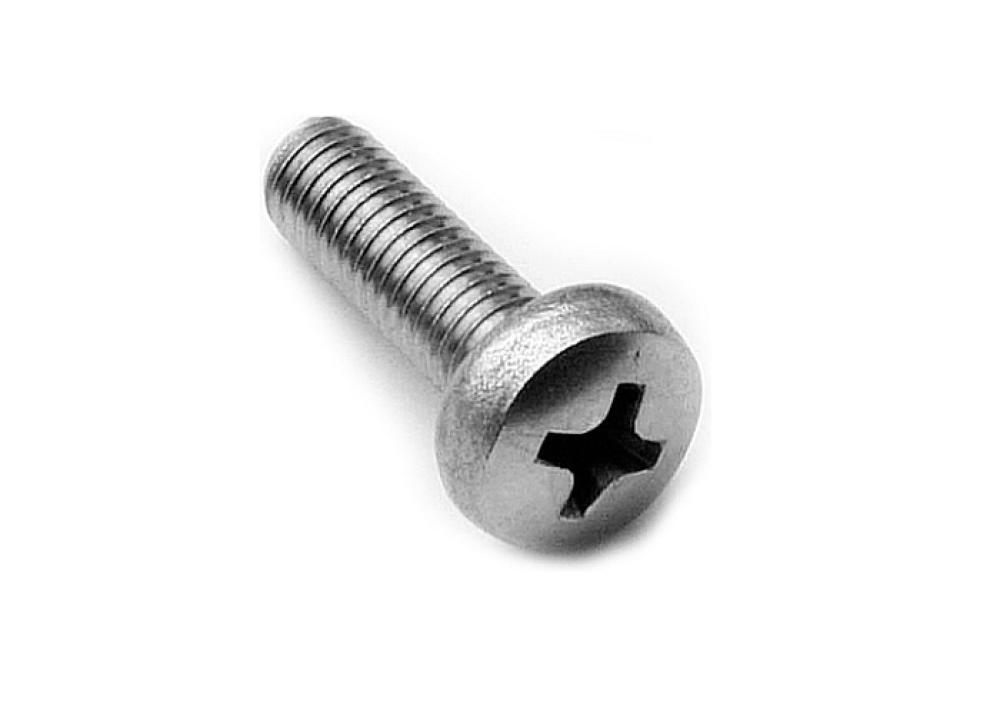
Pan Head Phillips Drive
DIN 7985
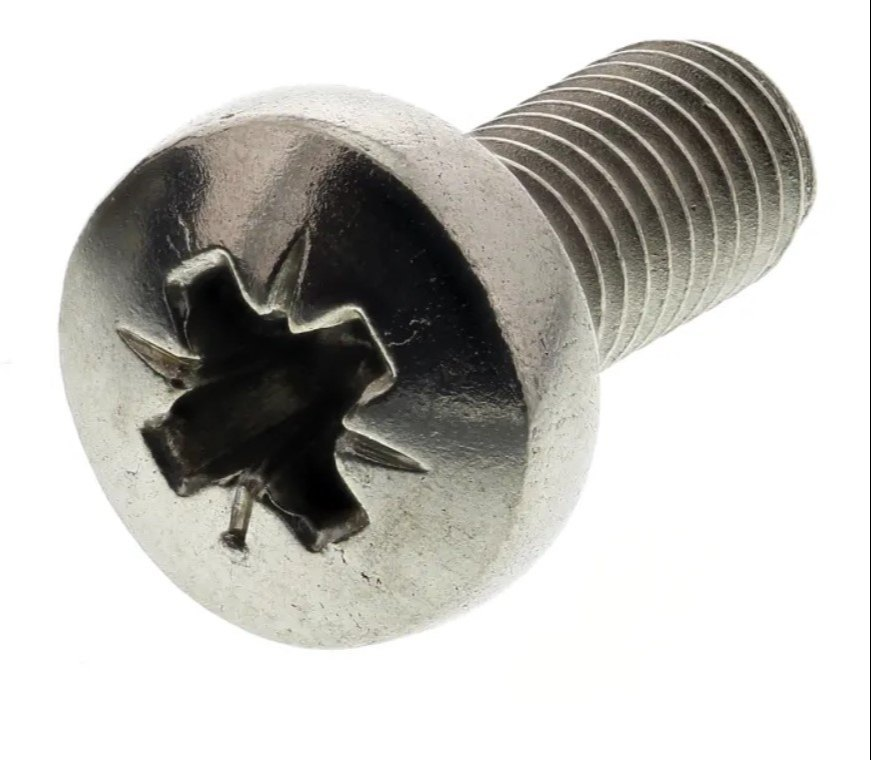
Pan Head Pozidriv
DIN 7985
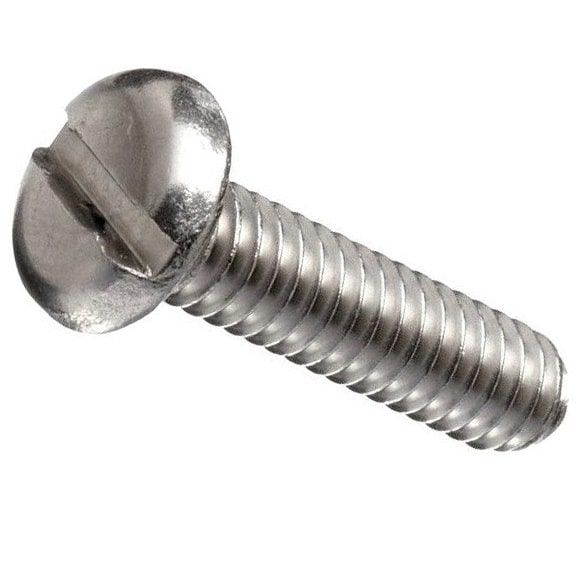
Pan Head Slotted Drive
DIN 85
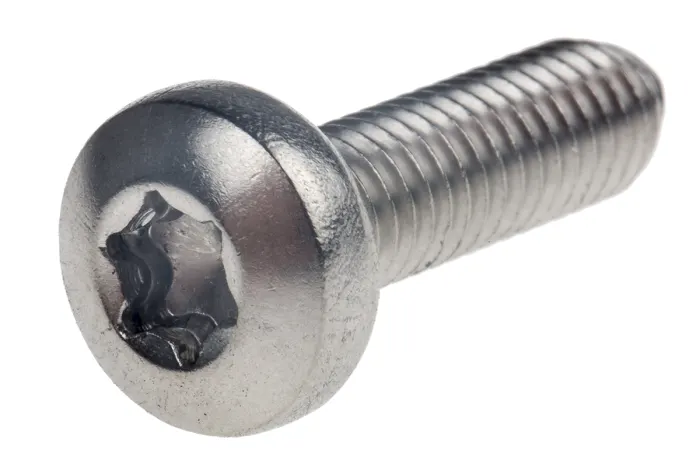
Pan Head Torx Drive
ISO 14583
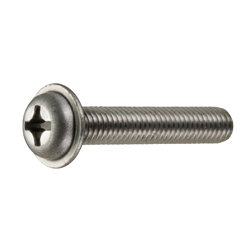
Phillips Pan
Washer Head Screw
About Pan Head Screws
Pan head screws are machine-threaded fasteners characterized by a slightly rounded top surface and a flat bearing face underneath. Unlike countersunk screws, the head remains above the surface after installation, making them suitable where a flush finish is not required and a larger bearing area is beneficial.
Available with multiple drive systems—including Phillips, Pozidriv, Slotted, and Torx—pan head screws are widely used across industries because they combine ease of installation, attractive appearance, and reliable clamping performance. Depending on the application, they can be manufactured in carbon steel, alloy steel, stainless steel, brass, aluminium, or titanium, with a wide range of protective finishes to improve corrosion resistance and durability.
Whether used in electrical enclosures, machinery, electronics, automotive assemblies, or precision equipment, selecting the correct combination of standard, material, drive type, and property class ensures optimum performance and service life.
Material Options
| Material | Characteristics | Typical Applications |
|---|---|---|
| Carbon Steel | Economical with good mechanical strength | General industrial applications |
| Alloy Steel | Higher tensile strength for demanding assemblies | Machinery and equipment |
| Stainless Steel 304 (A2) | Excellent corrosion resistance | Food processing, electrical, outdoor use |
| Stainless Steel 316 (A4) | Superior resistance to chemicals and marine environments | Marine, offshore, chemical plants |
| Brass | Non-magnetic and corrosion resistant | Electrical terminals, decorative applications |
| Aluminium | Lightweight and corrosion resistant | Electronics, aerospace |
| Titanium | Exceptional strength-to-weight ratio and corrosion resistance | Aerospace, medical devices, motorsport, marine |
Comparison of Common Pan Head Screw Standards
| Standard | Head Type | Drive | Typical Applications |
|---|---|---|---|
| DIN 7985 Phillips | Pan Head | Phillips | Machinery, panels, electrical |
| DIN 7985 Pozidriv | Pan Head | Pozidriv | Automotive, appliances |
| DIN 85 | Pan Head | Slotted | Electrical equipment, restoration |
| ISO 14583 | Pan Head | Torx | Automotive, electronics, robotics |
Choosing the Right Drive Type
| Drive | Advantages |
|---|---|
| Phillips | Most common and economical |
| Pozidriv | Higher torque, less cam-out |
| Slotted | Simple tools, traditional applications |
| Torx | Highest torque transmission and automation friendly |
| Combination | Maximum service flexibility |
Available Materials
| Material | Characteristics | Typical Applications |
|---|---|---|
| Carbon Steel | High strength, economical | Industrial machinery |
| Alloy Steel | Higher tensile strength | Mechanical equipment |
| Stainless Steel 304 (A2) | Corrosion resistant | General outdoor & food equipment |
| Stainless Steel 316 (A4) | Superior corrosion resistance | Marine & chemical industries |
| Brass | Non-magnetic, decorative, corrosion resistant | Electrical terminals, instrumentation |
| Aluminium | Lightweight | Aerospace, electronics |
| Titanium | Exceptional strength-to-weight ratio and corrosion resistance | Aerospace, medical devices, marine, motorsports |
Available Surface Finishes
- Plain
- Zinc Plated (Blue/White)
- Yellow Zinc Plated
- Black Oxide
- Zinc Nickel
- Mechanical Galvanized
- Hot Dip Galvanized (selected standards)
- Geomet®
- Dacromet®
- PTFE Coated
- Stainless Steel Passivated
Common Property Classes
Carbon Steel
- Class 4.8
- Class 5.8
- Class 8.8
- Class 10.9
- Class 12.9
Stainless Steel
- A2-50
- A2-70
- A2-80
- A4-70
- A4-80
Advantages of Pan Head Screws
- Rounded head provides neat finished appearance
- Large bearing surface reduces surface damage
- Suitable for repeated assembly and maintenance
- Available in multiple drive systems
- Excellent for machine-threaded components
- Available in corrosion-resistant materials
- Compatible with automated production lines
- Wide international standard availability
When Should You Use a Pan Head Screw?
Pan head screws are ideal when:
- The screw head is intended to remain visible.
- A countersunk hole is not available.
- Better load distribution is required.
- Frequent maintenance or disassembly is expected.
- Appearance is important.
- Higher clamp area is desired than countersunk screws.
Installation Best Practices: Dos & Don’ts
✅ Do
- Choose the correct drive type for your application (Phillips, Pozidriv, Slotted, or Torx).
- Use the correct screwdriver or driver bit to ensure full engagement with the screw recess.
- Match the screw material to the environment, such as stainless steel for outdoor or corrosive conditions.
- Select the appropriate screw length to achieve adequate thread engagement without bottoming out.
- Tighten to the recommended torque to achieve a secure joint without damaging the screw or workpiece.
- Use washers where required to distribute load or protect softer materials.
- Inspect the drive recess before installation to ensure it is free from debris or damage.
❌ Don’t
- Don’t use a Phillips driver on a Pozidriv screw, or vice versa, as this can damage the recess and reduce tightening efficiency.
- Don’t overtighten pan head screws, especially in plastics or thin sheet metal, as this may strip threads or deform the material.
- Don’t reuse damaged screws with worn or rounded drive recesses.
- Don’t mix incompatible materials, such as carbon steel screws in highly corrosive environments without appropriate protection.
- Don’t use an incorrect driver size, as poor tool engagement increases the risk of cam-out and head damage.
- Don’t substitute a pan head screw where a countersunk screw is required, as the protruding head may interfere with mating components.
Common Installation Problems & Solutions
| Problem | Possible Cause | Recommended Solution |
|---|---|---|
| Driver slips out (cam-out) | Incorrect driver type or worn bit | Use the correct PH, PZ, SL, or Torx driver and replace worn bits. |
| Damaged drive recess | Excessive torque or incorrect screwdriver | Replace the screw and use the proper tool with controlled torque. |
| Screw loosens over time | Insufficient tightening or vibration | Tighten to the recommended torque or use a suitable thread-locking method. |
| Corrosion around the fastener | Incorrect material selection | Choose stainless steel or a corrosion-resistant coating appropriate for the environment. |
| Thread stripping | Overtightening or insufficient thread engagement | Use the correct screw length, pilot hole (if applicable), and recommended tightening torque. |
| Head interferes with assembly | Incorrect head style selected | Consider a countersunk or low-profile head if a flush or reduced-height finish is required. |
Applications
- Electrical Control Panels
- Switchgear
- Electronics
- Automation Equipment
- Industrial Machinery
- Telecommunications
- Medical Equipment
- Automotive
- HVAC Equipment
- Renewable Energy
- Robotics
- Instrumentation
Related Datasheets
- DIN 7985 Phillips Pan Head Screws
- DIN 7985 Pozidriv Pan Head Screws
- DIN 85 Slotted Pan Head Screws
- ISO 14583 Torx Pan Head Screws
- Machine Screws
- SEMS Screws
- Thread Forming Screws
- Captive Panel Screws
Frequently Asked Questions
What is a pan head screw?
A pan head screw has a slightly rounded top with a flat bearing surface underneath, making it suitable where the head remains above the material.
What is the difference between a pan head and countersunk screw?
A pan head remains above the surface, whereas a countersunk screw sits flush within a countersunk hole.
Which drive type is strongest?
Torx generally provides the highest torque transmission and the lowest risk of cam-out, followed by Pozidriv, then Phillips.
Are pan head screws available in stainless steel?
Yes. Common grades include A2 (304) and A4 (316) stainless steel, with titanium also available for demanding environments.
Can pan head screws be used outdoors?
Yes. Stainless steel 304 is suitable for most outdoor applications, while stainless steel 316 is recommended for marine or highly corrosive environments.
Are pan head screws suitable for automated assembly?
Yes. Torx and Pozidriv drive systems are particularly well suited to automated manufacturing because they provide reliable tool engagement.