
Fastener Head Styles: Complete Guide with DIN & ISO Standards
Introduction
Fastener head styles play a critical role in the performance, installation, and appearance of a fastening system. The shape of the head determines how the fastener is tightened, how the clamping force is distributed, whether it sits flush with the surface, and how much clearance is required around the fastener.
Whether you’re selecting fasteners for structural steel, sheet metal fabrication, machinery, electronics, furniture, or construction, understanding the different head styles helps ensure the right fastener is chosen for the application.
This guide covers the most common fastener head styles, their characteristics, typical applications, and the relevant DIN and ISO standards where applicable.
Note: A fastener head style refers to the external shape of the head. It is different from the drive style, which refers to the tool engagement (such as Phillips, Torx, Hex Socket, or Slotted).
At a Glance: Common Fastener Head Styles
| General Purpose | Socket & Precision | Flush Mounting | Sheet Metal | Specialty |
|---|---|---|---|---|
| Hex Head | Socket Head Cap | Countersunk | Truss Head | Wing Head |
| Hex Washer Head | Low Head Socket | Raised Countersunk | Wafer Head | Eye Bolt Head |
| Pan Head | Button Head | Oval Head | Binding Head | T Head |
| Cheese Head | Fillister Head | Bugle Head | Hammer Head | |
| Square Head | Carriage Bolt Head | |||
| Dome Head | Mushroom Head |
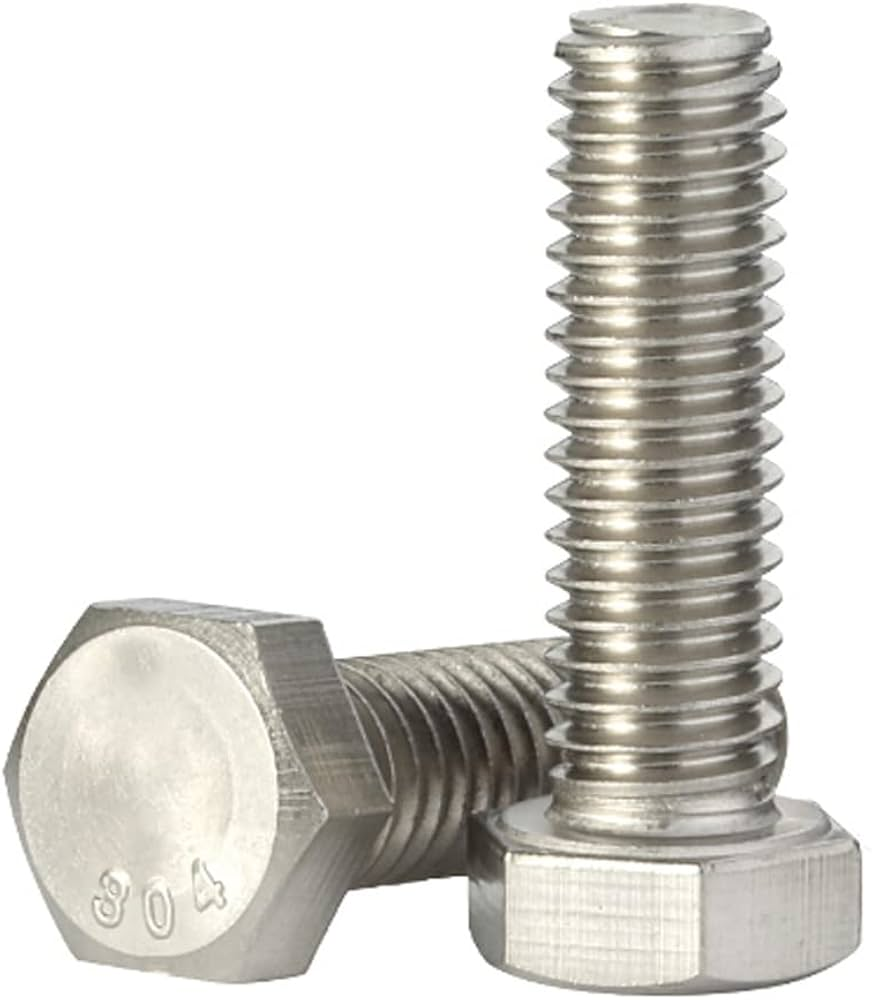
1. Hex Head
The hex head is the most common fastener head used in industrial and structural applications. Its six-sided design allows high tightening torque using standard spanners or sockets.
Features
- High torque transmission
- Excellent strength
- Easy installation and removal
- Suitable for heavy-duty applications
Typical Applications
- Structural steel
- Machinery
- Automotive
- General engineering
Common Drive
- External Hex
Common Standards
| DIN | ISO |
|---|---|
| DIN 931 | ISO 4014 |
| DIN 933 | ISO 4017 |
| DIN 558 | ISO 4018 |
2. Hex Flange Head
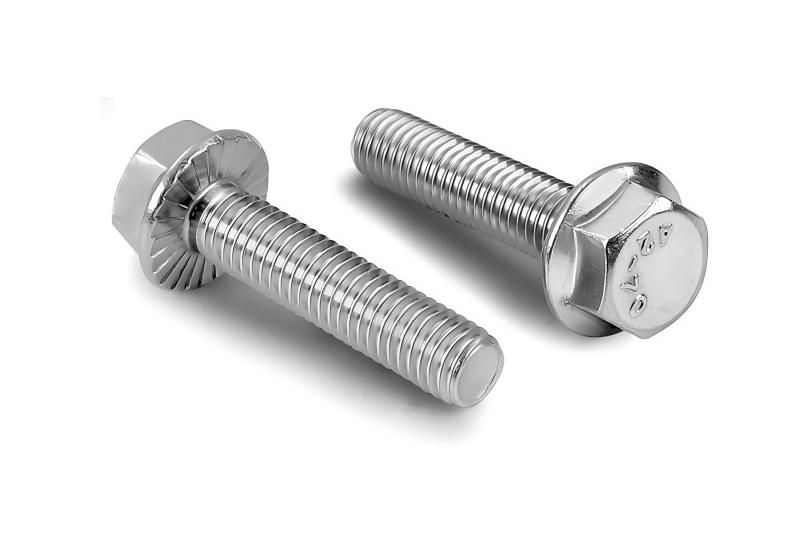
A hex head with an integral washer flange that distributes clamping force over a larger area.
Features
- Built-in washer
- Better load distribution
- Eliminates separate washer
- Faster assembly
Applications
- Self-drilling screws
- Roofing
- HVAC
- Sheet metal
Common Drive
- External Hex
Common Standards
| DIN | ISO |
|---|---|
| DIN 6921 | ISO 4162 |
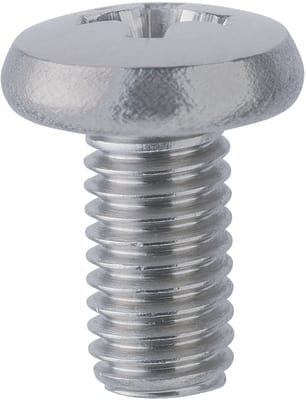
3. Pan Head
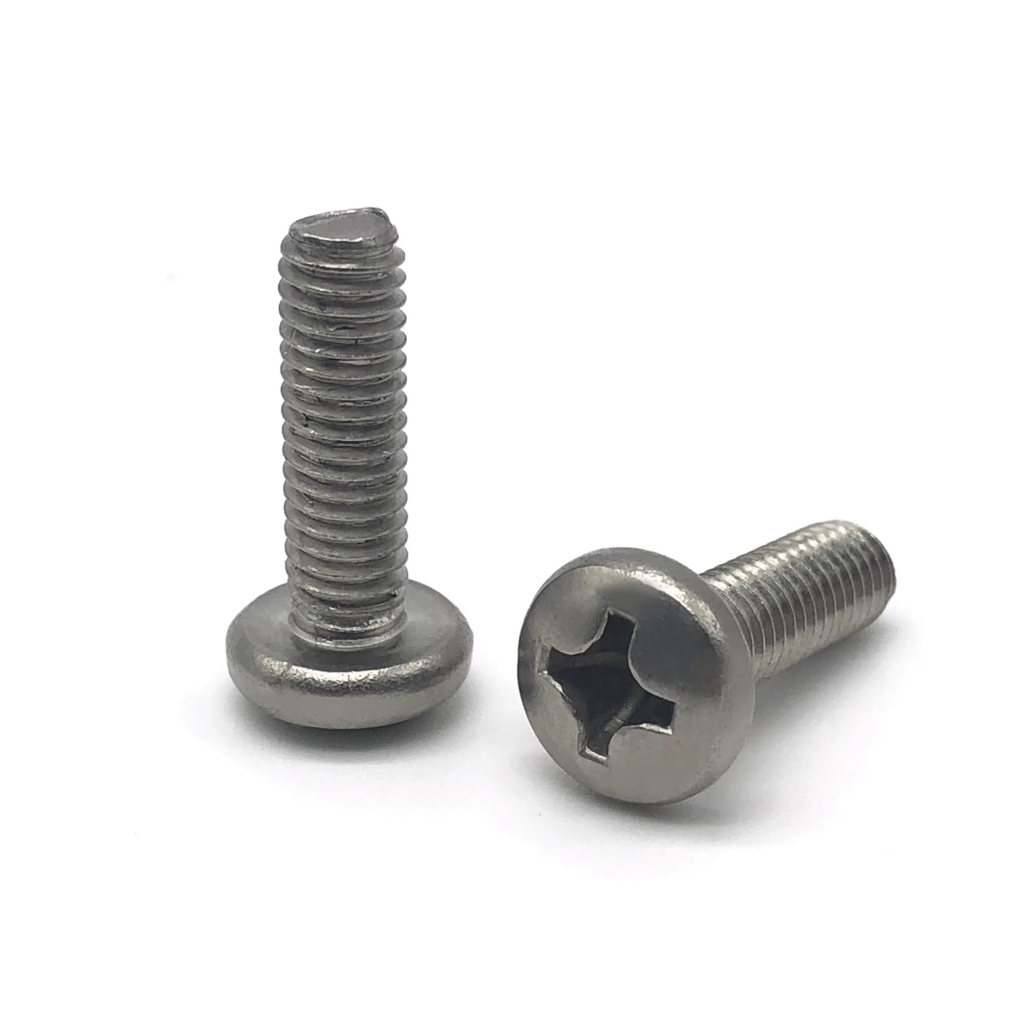
Pan heads have a gently rounded top with a flat bearing surface underneath, making them suitable for general-purpose fastening.
Features
- Good bearing surface
- Attractive appearance
- Versatile
Applications
- Machine screws
- Electrical panels
- Electronics
- Appliances
Common Drives
- Phillips
- Pozidriv
- Torx
- Slotted
Common Standards
| DIN | ISO |
|---|---|
| DIN 7985 | ISO 7045 |
4. Button Head
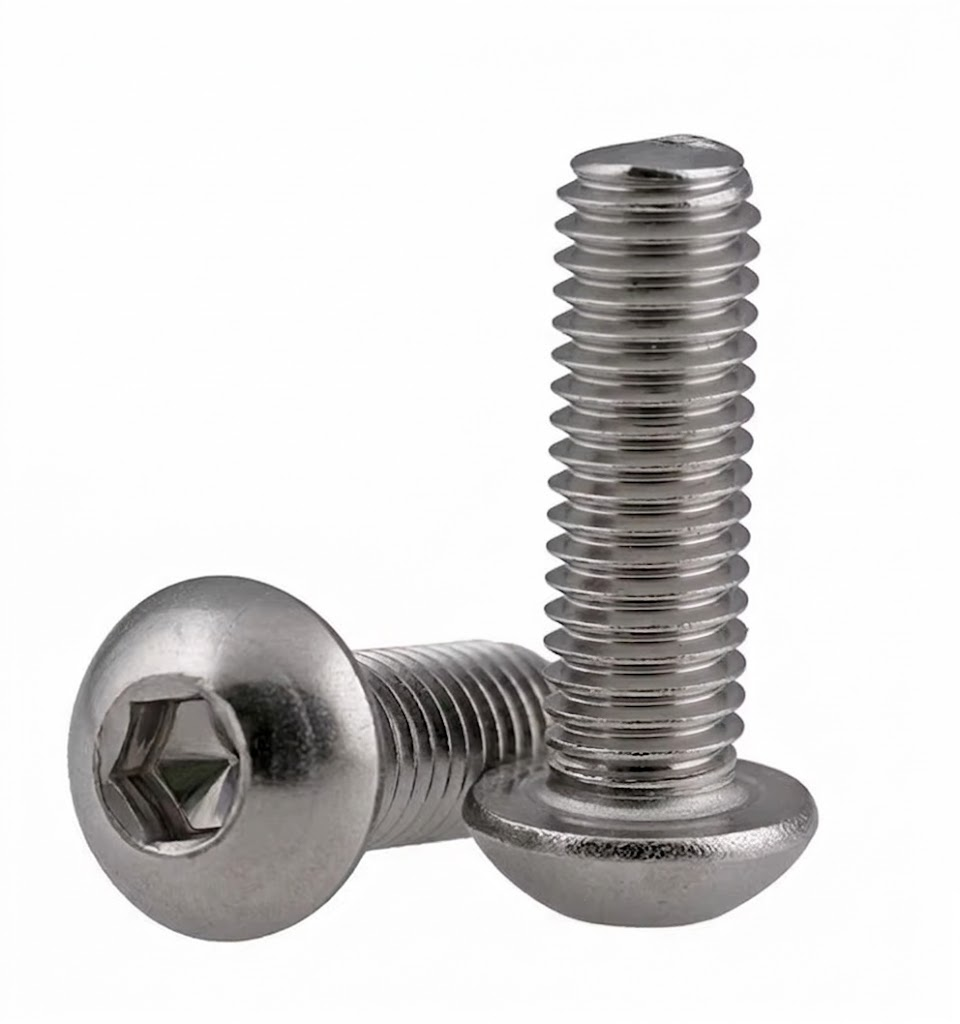
A low-profile domed head commonly used where appearance and safety are important.
Features
- Smooth rounded profile
- Reduced snagging
- Decorative finish
Applications
- Furniture
- Electronics
- Automotive interiors
Common Drive
- Hex Socket
Common Standards
| DIN | ISO |
|---|---|
| DIN 7380 | ISO 7380-1 |
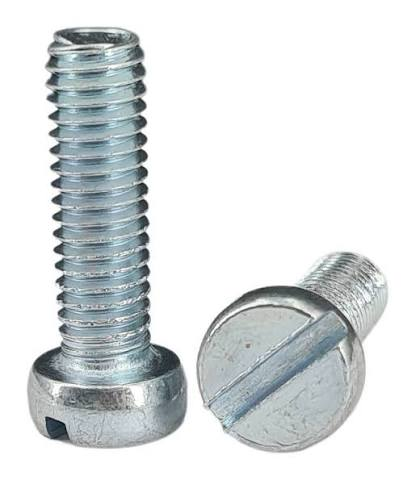
5. Cheese Head
A cylindrical head with a flat top and vertical sides, providing good drive engagement.
Features
- Compact design
- Large drive recess
- Good clamping surface
Applications
- Electrical equipment
- Instruments
- Terminal blocks
Common Standards
| DIN | ISO |
|---|---|
| DIN 84 | ISO 1207 |
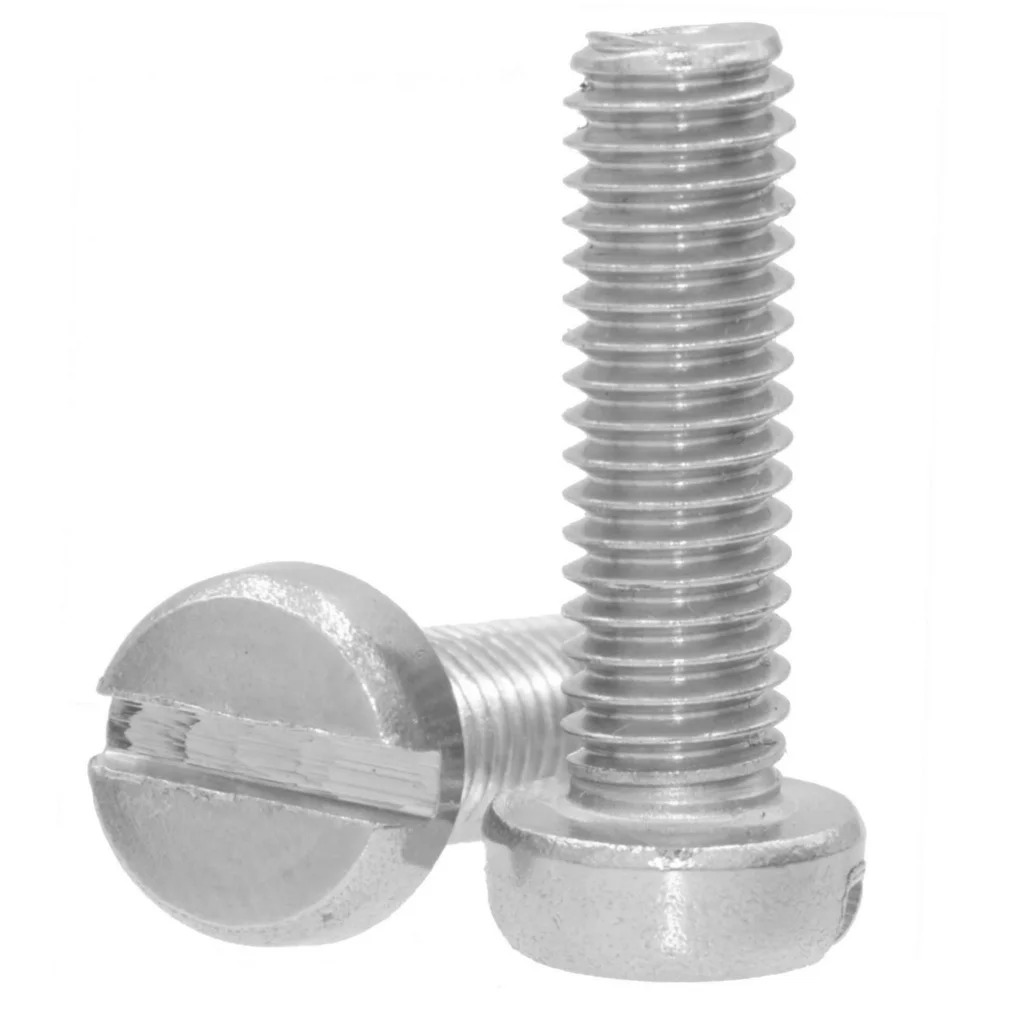
6. Fillister Head
Fillister heads are taller than cheese heads, allowing deeper drive engagement and higher tightening torque.
Applications
- Machinery
- Precision equipment
- Industrial assemblies
Common Standards
| DIN | ISO |
|---|---|
| DIN 85 | ISO 1580 |
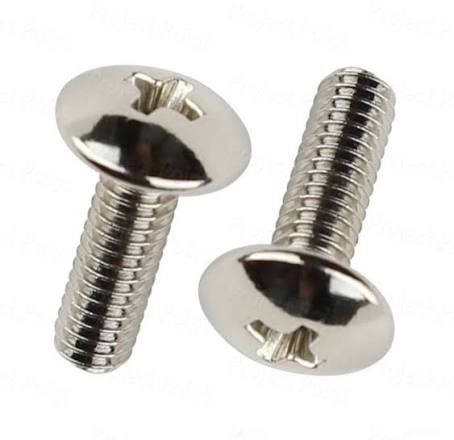
7. Truss Head
Truss heads feature an extra-wide, low-profile head that spreads the load over a larger surface area.
Applications
- Thin sheet metal
- Plastics
- Electrical enclosures
Common Standards
No dedicated universal DIN/ISO standard. Typically supplied under manufacturer-specific standards.
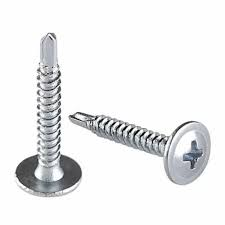
8. Wafer Head
Wafer heads combine a low profile with a wide bearing surface, making them popular in self-drilling screws.
Applications
- Roofing
- HVAC
- Sheet metal fabrication
Common Standards
Often manufacturer-specific depending on the screw type.
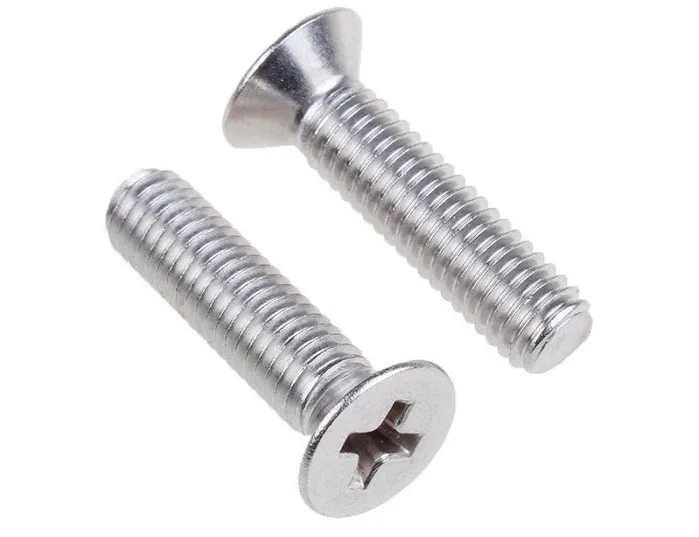
9. Countersunk (Flat Head)
Countersunk heads sit flush with the material surface after installation.
Features
- Flush finish
- Clean appearance
- Suitable for countersunk holes
Applications
- Furniture
- Architectural hardware
- Machine assemblies
Common Standards
| DIN | ISO |
|---|---|
| DIN 965 | ISO 7046 |
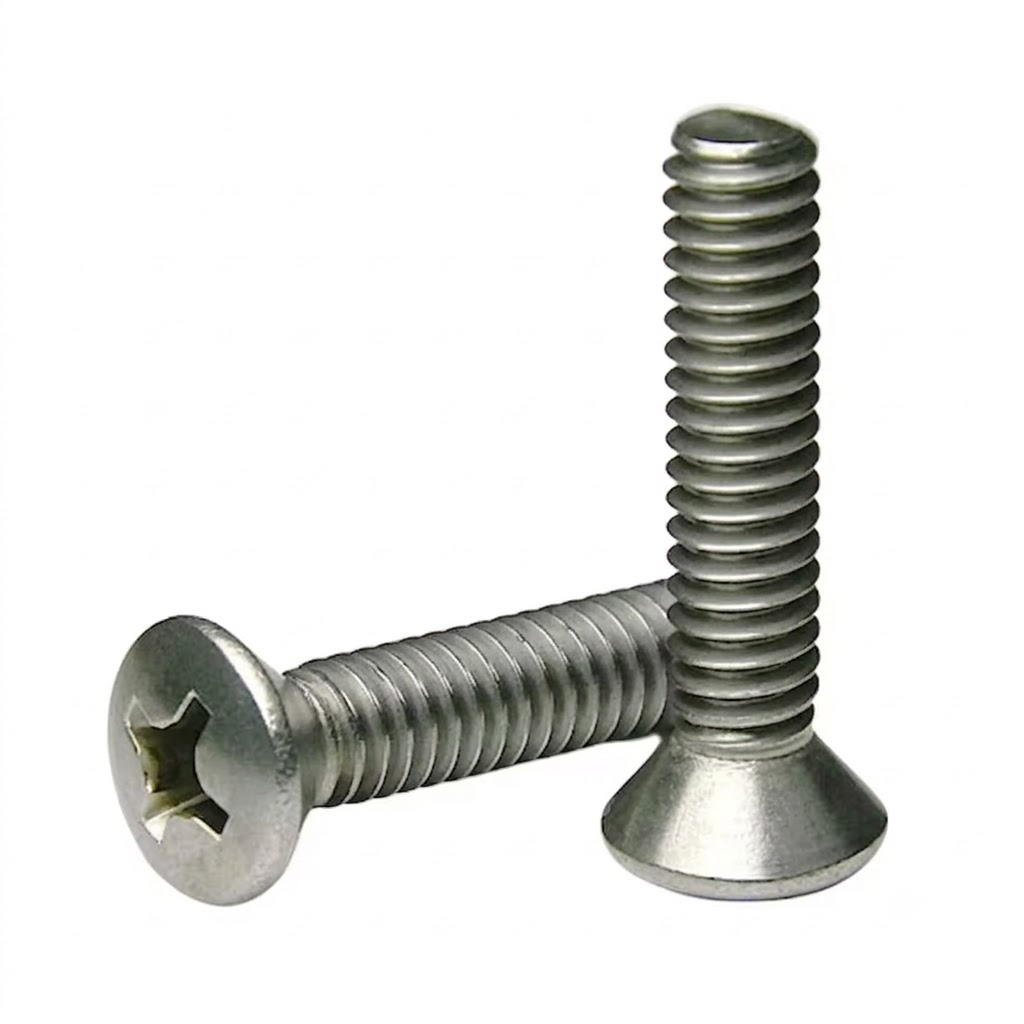
10. Raised Countersunk Head
A countersunk head with a slightly domed top, offering a decorative finish while maintaining near-flush installation.
Applications
- Furniture
- Decorative fittings
- Consumer products
Common Standards
| DIN | ISO |
|---|---|
| DIN 966 | ISO 7047 |
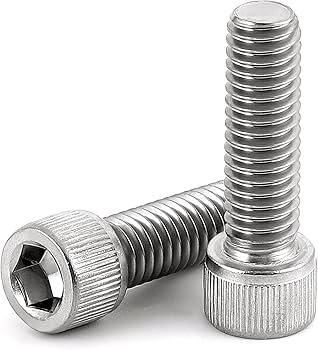
11. Socket Head Cap
A cylindrical head with an internal hex socket designed for high-strength applications.
Features
- High tightening torque
- Excellent strength
- Compact installation
Applications
- Machine tools
- Robotics
- Automation
- Industrial machinery
Common Standards
| DIN | ISO |
|---|---|
| DIN 912 | ISO 4762 |
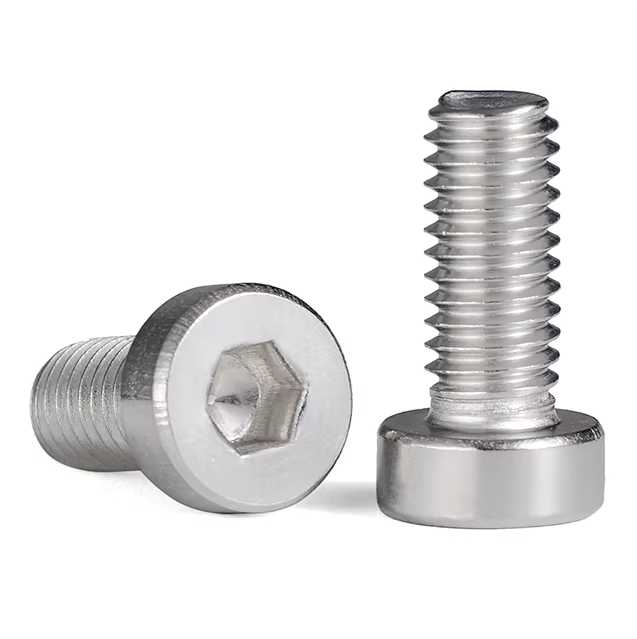
12. Low Head Socket
A reduced-height version of the socket head cap screw used where vertical clearance is limited.
Common Standards
| DIN | ISO |
|---|---|
| DIN 7984 | ISO 14580 |
13. Binding Head
Binding heads provide a broad bearing surface, making them suitable for soft materials and electrical connections.
Applications
- Cable terminals
- Plastic components
- Electrical equipment
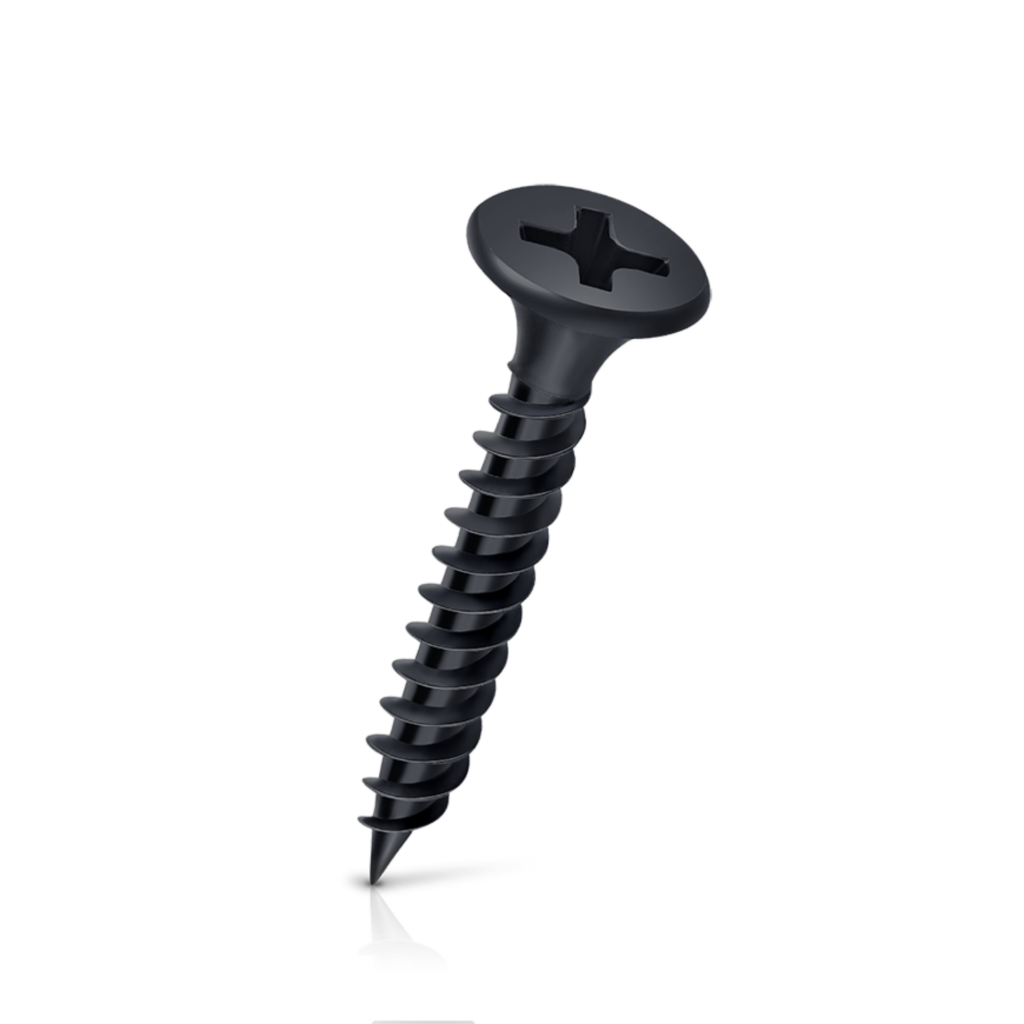
14. Bugle Head
Designed specifically for drywall screws, the bugle head allows smooth countersinking without damaging the paper surface.
Applications
- Drywall
- Gypsum board
- Timber framing
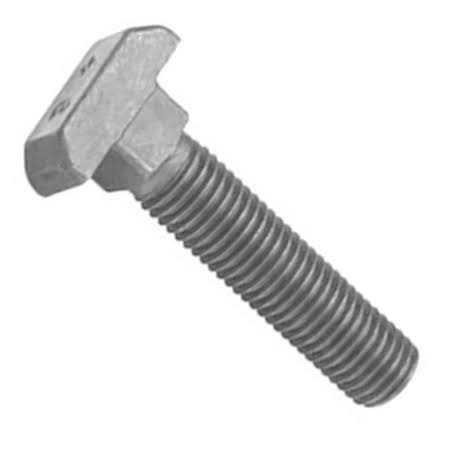
15. T Head
Ideal for T-slot machine tables and aluminium extrusion systems.
Typical Standards: DIN 186, DIN 188
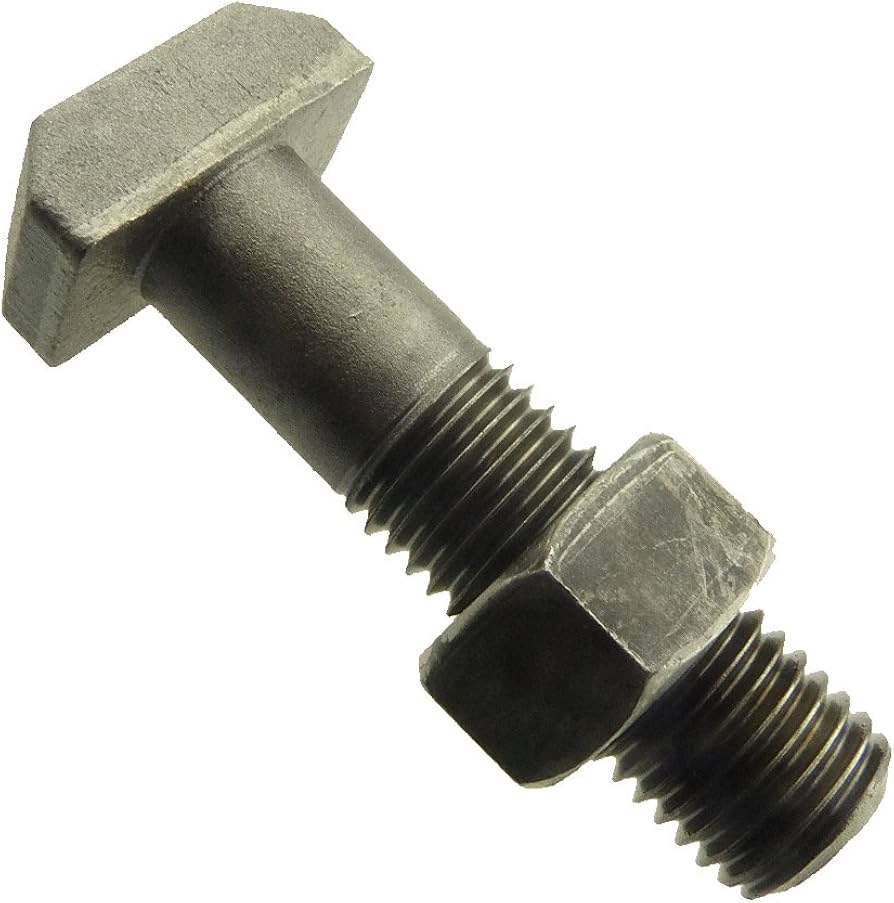
16. Hammer Head
Designed for fastening structural parts to foundations, machinery, and other structures where detachable joints are required
Typical Standards: DIN 261
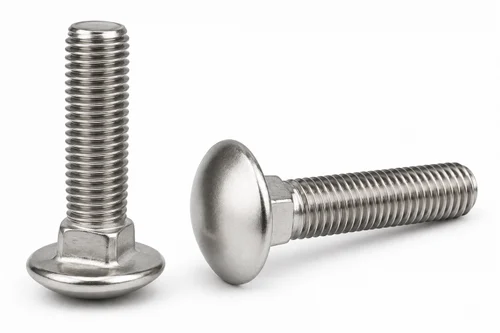
17. Carriage Bolt Head
A smooth domed head with a square neck that prevents rotation during tightening.
Typical Standards: DIN 603, ISO 8677
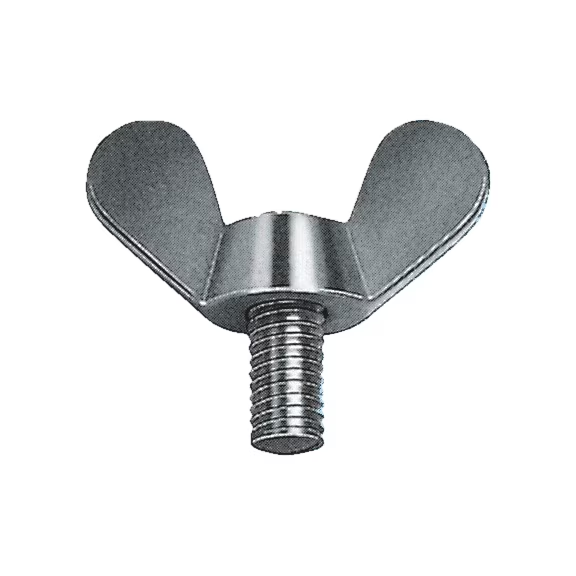
18. Wing Head
Designed for hand tightening without tools.
Typical Standards: DIN 316
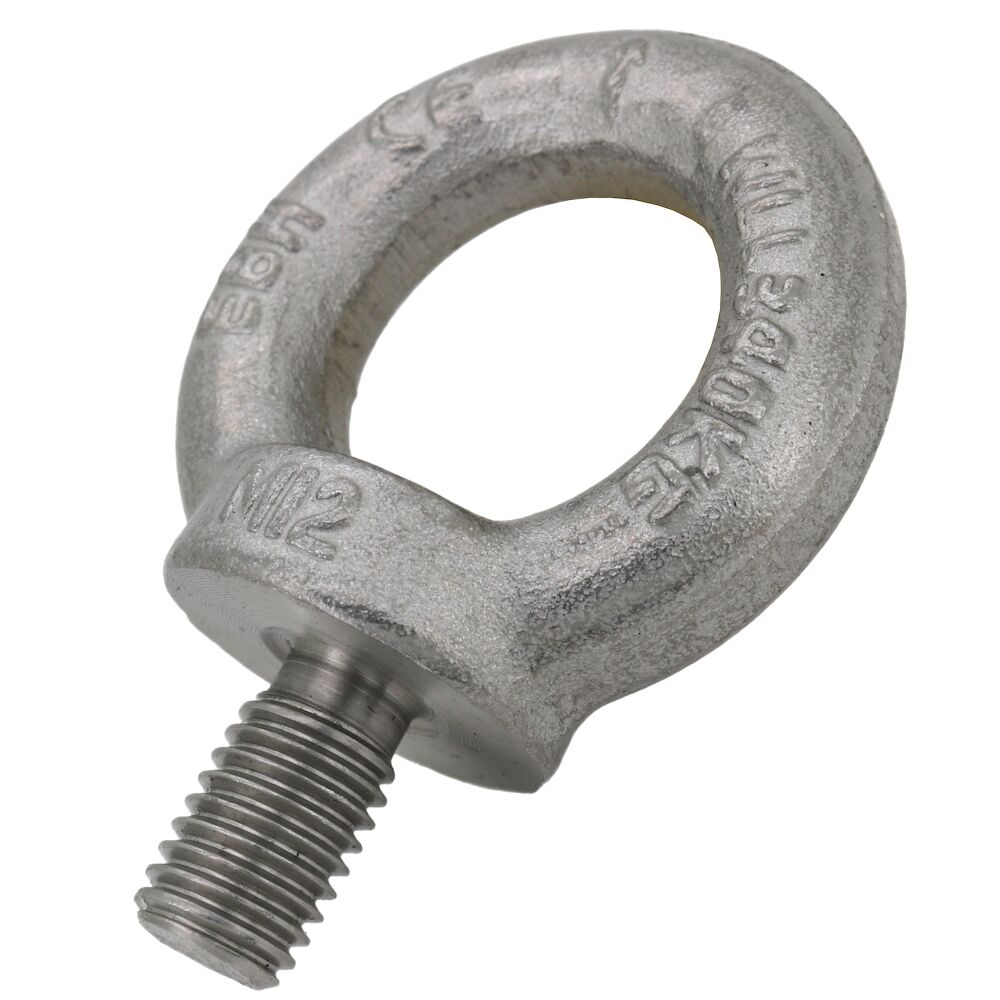
19. Eye Bolt Head
A circular eye replaces the conventional head for lifting and rigging applications.
Typical Standards: DIN 580, ISO 3266
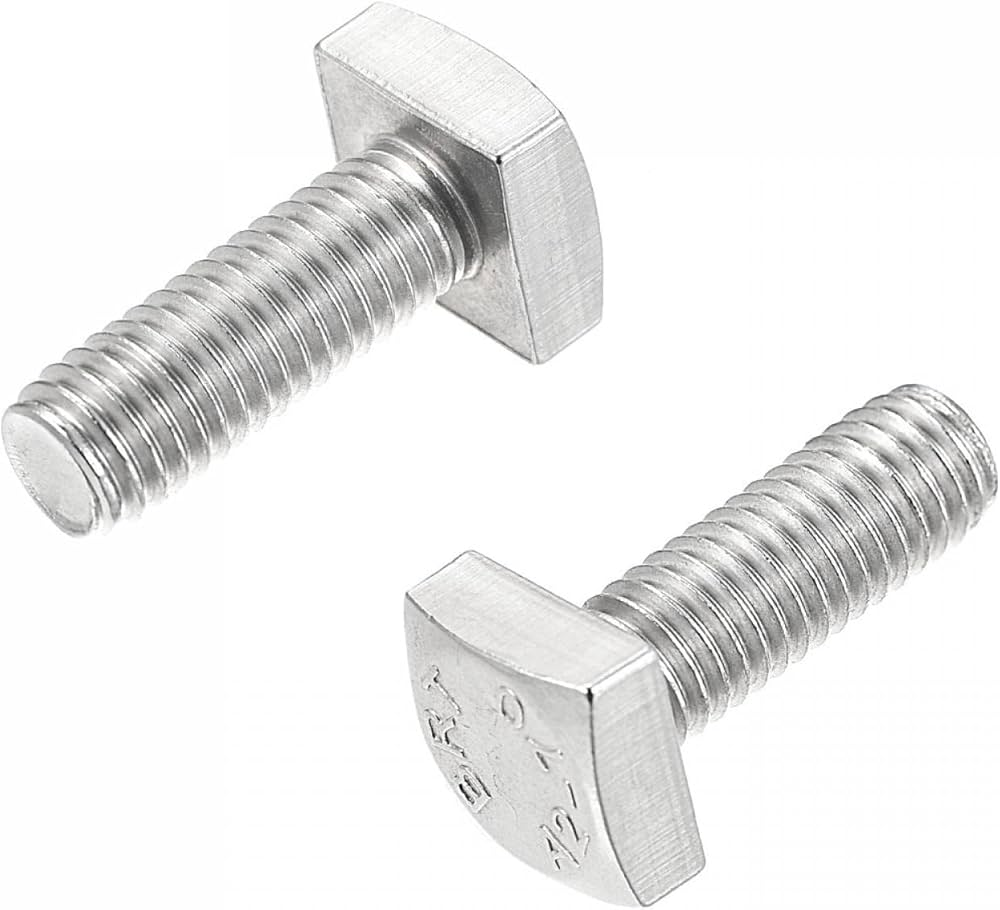
20. Square Head
Traditional four-sided head still widely used in heavy engineering and restoration work.
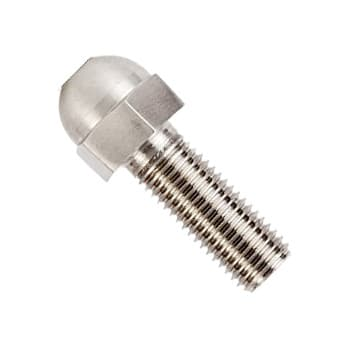
21. Dome Head
A smooth hemispherical head used where appearance and safety are priorities.
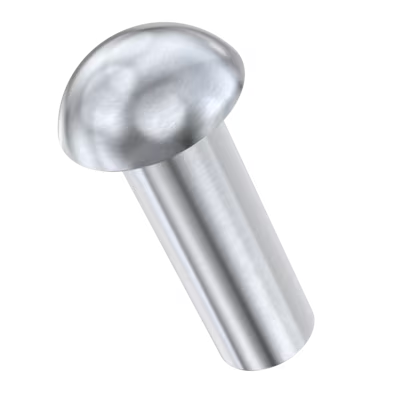
22. Mushroom Head
A broad rounded head providing excellent load distribution. Commonly found on blind rivets, rivets, and certain specialty fasteners.
Typical Standards: DIN 660, ISO 1051 (rivets)
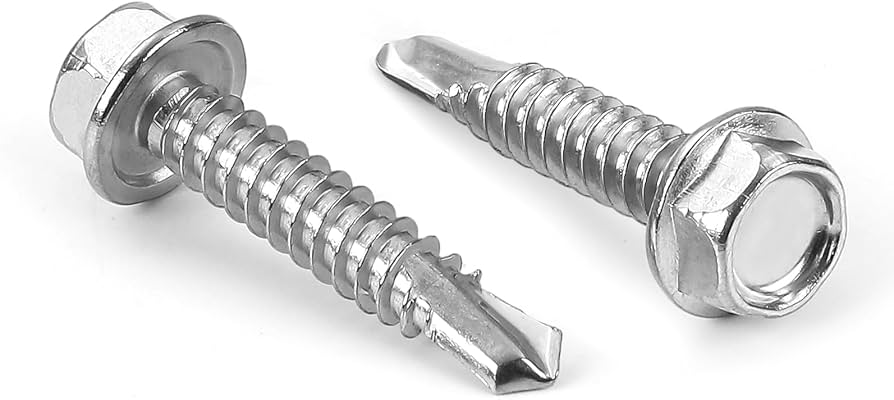
23. Hex Washer Head
Features a conventional hexagonal head with an integral washer flange beneath it. The built-in flange increases the bearing surface, distributes the clamping load more evenly, and often eliminates the need for a separate washer.
Hex washer head screws are widely used in self-drilling screws, self-tapping screws, and sheet metal fastening applications, particularly in roofing, cladding, HVAC systems, electrical enclosures, and general metal fabrication.
Choosing the Right Fastener Head Style
The correct head style depends on several design considerations.
| Requirement | Recommended Head Style |
|---|---|
| Maximum tightening torque | Hex Head, Socket Head Cap |
| Flush installation | Countersunk |
| Decorative appearance | Button, Oval, Dome |
| Thin sheet materials | Truss, Wafer |
| High-strength machinery | Socket Head Cap |
| Roofing and sheet metal | Hex Washer Head |
| Drywall | Bugle Head |
| Hand tightening | Wing Head |
| Timber construction | Carriage Bolt Head |
| Aluminium profiles | T Head |
| Head Style | Flush Mount | High Torque | Common Applications |
|---|---|---|---|
| Hex Head | ✗ | ★★★★★ | Machinery, Construction |
| Pan Head | ✗ | ★★★☆☆ | Electronics, Panels |
| Button Head | ✗ | ★★★☆☆ | Furniture, Automotive |
| Countersunk | ✓ | ★★★☆☆ | Furniture, Architectural |
| Socket Head Cap | ✗ | ★★★★★ | Precision Machinery |
| Truss Head | ✗ | ★★☆☆☆ | Sheet Metal |
| Wafer Head | ✗ | ★★☆☆☆ | Roofing, HVAC |
| Bugle Head | Semi | ★★☆☆☆ | Drywall |
Head Style vs Drive Style
A fastener head style and a drive style are not the same.
| Head Style | Drive Style |
|---|---|
| External shape of the fastener | Tool engagement feature |
| Determines load distribution | Determines installation tool |
| Examples: Hex, Pan, Button | Examples: Phillips, Torx, Hex Socket |
For example, a screw may have a Pan Head with Phillips Drive or a Button Head with Hex Socket Drive.
Frequently Asked Questions
Which fastener head style is the strongest?
Hex heads and socket head cap screws provide the highest tightening torque and are preferred for structural and heavy-duty machinery applications.
Which head style sits flush with the surface?
Countersunk (flat) heads are designed to sit flush after installation.
Which head style is best for sheet metal?
Hex washer heads, truss heads, wafer heads, and pan heads are commonly used, depending on the application.
Why do some fasteners have an integral washer?
An integral washer increases the bearing surface, distributes clamping force more evenly, and can eliminate the need for a separate washer.
Related Resources
Fastener Drive Styles Explained
DIN & ISO Standards for Fasteners
Types of Machine Screws
Types of Bolts
Types of Blind Rivets
Types of Nut Inserts
Fastener Materials and Mechanical Properties
Fastener Coatings and Surface Finishes