
Socket Head Cap Screws Technical Datasheets
Socket Head Cap Screws are precision-engineered machine screws featuring a cylindrical head with an internal drive, allowing high tightening torque while requiring minimal installation space. They are widely used in machinery, automation equipment, tooling, robotics, automotive systems, aerospace assemblies, and other high-performance engineering applications where strength and precision are essential.
Horizon Inc supplies Socket Head Cap Screws manufactured to internationally recognized DIN and ISO standards in alloy steel, stainless steel, and titanium.
Types of Socket Head Cap Screws
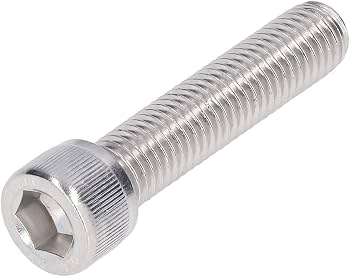
Allen Socket Head Cap Screw
DIN 912
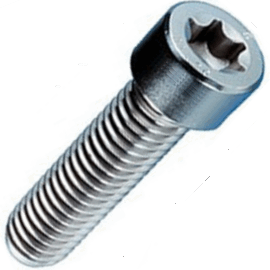
Torx Socket Head Cap Screw
ISO 14579
About Socket Head Cap Screws
DIN 912 / ISO 4762 Allen Socket Head Cap Screw
The most widely used cylindrical socket head cap screw with an internal hex (Allen) drive. Designed for high-strength fastening where reliable clamping force and compact head dimensions are required.
Applications
- Machine tools
- Industrial equipment
- Automation systems
- Gearboxes
- Fixtures
- Tooling
- Heavy machinery
ISO 14579 Torx Socket Head Cap Screw
Socket head cap screw with an internal Torx (Hexalobular) drive that provides improved torque transmission, reduced cam-out, and longer tool life, making it suitable for automated assembly and high-volume production.
Applications
- Automotive
- Robotics
- Electronics
- Medical equipment
- Aerospace
- Precision assemblies
Available Materials
| Material | Characteristics | Typical Applications |
|---|---|---|
| Alloy Steel | Higher tensile strength | Mechanical equipment |
| Stainless Steel 304 (A2) | Corrosion resistant | General outdoor & food equipment |
| Stainless Steel 316 (A4) | Superior corrosion resistance | Marine & chemical industries |
| Titanium | Exceptional strength-to-weight ratio and corrosion resistance | Aerospace, medical devices, marine, motorsports |
Available Surface Finishes
- Plain
- Zinc Plated (Blue/White)
- Yellow Zinc Plated
- Black Oxide
- Zinc Nickel
- Mechanical Galvanized
- Hot Dip Galvanized (selected standards)
- Geomet®
- Dacromet®
- PTFE Coated
- Stainless Steel Passivated
Common Property Classes
Carbon Steel
- Class 10.9
- Class 12.9
Stainless Steel
- A2-70
- A4-70
Typical Applications
Industrial Machinery
Secure fastening of machine components subjected to high loads and vibration.
Robotics & Automation
Compact fastening solution for robotic arms, automation systems, and precision mechanisms.
Aerospace
Lightweight titanium and high-strength alloy steel socket screws for critical assemblies.
Automotive
Engine components, transmission systems, tooling, and precision mechanical assemblies.
Electronics
Assembly of equipment where compact heads and precise fastening are required.
Tool & Die
Fixtures, moulds, dies, and precision tooling requiring repeatable tightening torque.
Benefits of Socket Head Cap Screws
- High tensile strength for demanding applications
- Compact cylindrical head allows installation in restricted spaces
- Excellent torque transmission
- Suitable for precision machining applications
- Available in corrosion-resistant stainless steel and titanium
- Reliable performance under vibration
- Widely standardized under DIN and ISO specifications
- Easy maintenance and repeated assembly
- Suitable for manual and automated assembly
Installation Best Practices: Dos & Don’ts
✓ Do’s
- Use the correct size Allen key or Torx bit to ensure full engagement with the internal drive.
- Clean internal threads before installation to remove dirt, oil, and burrs.
- Tighten using the recommended torque values based on material, size, and lubrication.
- Apply suitable thread lubricant or anti-seize when installing stainless steel or titanium screws to prevent galling.
- Ensure mating surfaces are clean and flat for uniform clamping force.
- Use calibrated torque tools for critical assemblies.
- Select the correct screw length to achieve adequate thread engagement without bottoming out.
- Use thread-locking compounds where vibration resistance is required.
✗ Don’ts
- Do not use worn or damaged Allen keys or Torx bits.
- Do not overtighten beyond the recommended torque.
- Do not install screws into damaged or contaminated threads.
- Do not mix incompatible materials where galvanic corrosion may occur.
- Do not use impact tools unless the application specifically permits them.
- Never reuse severely stretched or damaged high-strength screws in critical applications.
- Avoid forcing misaligned components together using the screw.
Common Installation Problems & Solutions
| Problem | Possible Cause | Recommended Solution |
|---|---|---|
| Rounded internal hex or Torx recess | Incorrect or worn driver | Use the correct size, high-quality driver and replace worn tools. |
| Screw loosens during service | Insufficient preload or vibration | Tighten to the specified torque and use a suitable thread-locking compound or locking washer. |
| Thread galling (especially stainless steel or titanium) | Dry installation or excessive friction | Apply anti-seize lubricant and avoid high-speed installation. |
| Screw breaks during tightening | Over-tightening or incorrect property class | Use the correct strength grade and follow recommended tightening torque. |
| Difficulty engaging threads | Cross-threading or damaged internal threads | Inspect, clean, and realign components before installation. |
| Cam-out or slipping during tightening | Incorrect driver size or poor engagement | Ensure the tool is fully seated before applying torque. |
| Corrosion around fastener | Unsuitable material selection | Select corrosion-resistant materials such as A4 stainless steel or titanium where required. |
| Uneven clamping force | Dirty mating surfaces or improper tightening sequence | Clean the joint surfaces and tighten evenly using the correct sequence. |
Frequently Asked Questions
What is the difference between DIN 912 and ISO 4762?
ISO 4762 is the international standard that largely replaces DIN 912. Both standards are dimensionally interchangeable for most industrial applications.
What is the difference between Allen and Torx socket screws?
Allen screws use an internal hex drive, whereas Torx socket screws use a six-lobed drive that offers improved torque transfer, reduced cam-out, and longer tool life.
Which material should I choose?
12.9 Alloy Steel – Maximum strength
10.9 Alloy Steel – General heavy-duty applications
A2 Stainless Steel – General corrosion resistance
A4 Stainless Steel – Marine and chemical environments
Titanium Grade 5 – High strength with reduced weight
Are Socket Head Cap Screws suitable for high-vibration applications?
Yes. Their high clamping force makes them suitable for applications subjected to vibration. Where additional security is required, they can be used with thread-locking compounds or locking washers.