
Blind Rivets Technical Datasheets
Browse technical datasheets, engineering drawings, dimensions, material specifications and PDF downloads for industrial blind rivets. This technical library includes standard, multigrip, sealed and structural blind rivets used across sheet metal fabrication, electrical enclosures, construction and industrial manufacturing applications.

Open End
Dome Head
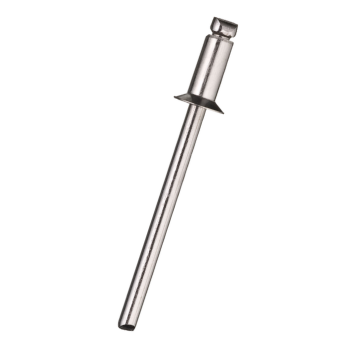
Open End
CSK Head

Closed End
Dome Head
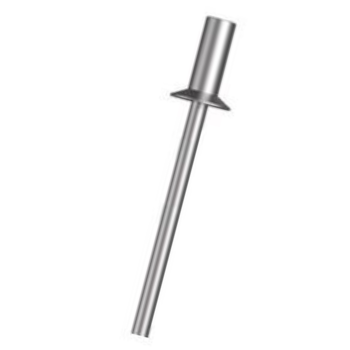
Closed End
CSK Head

Open End Dome Head
Multi-grip
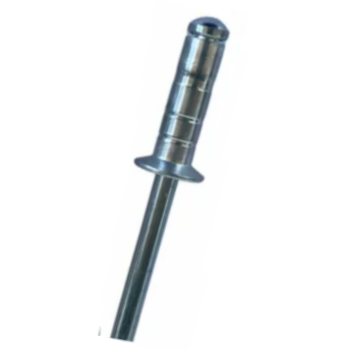
Open End CSK Head
Multi-grip
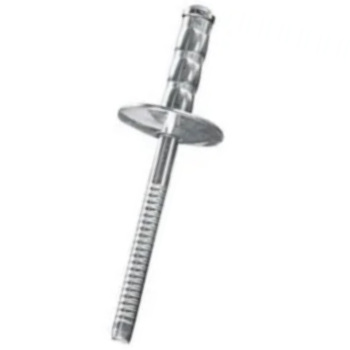
Open End Multi-grip
Large Flange
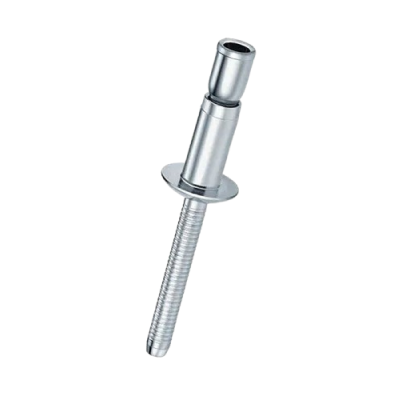
Hi-Bolt -Dome Head – Structural – Monobolt Type

Hi-Bolt -CSK Head – Structural – Monobolt Type
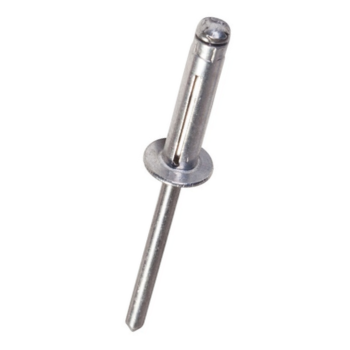
Trifold
Blind Rivet

Hi-Lock -Dome Head – Structural – Interlock Type

Hi-Lock -CSK Head – Structural – Interlock Type

High Strength
Hi-bulb Rivet

Hi-STRUCLOCK
Structural Rivet
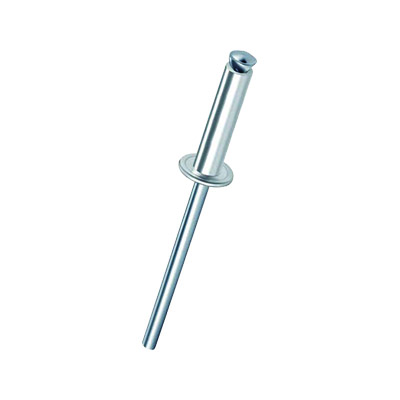
Peel
Blind Rivet
About Blind Rivets
Blind rivets are permanent mechanical fasteners designed for joining materials where access is available from only one side of the assembly. They provide a fast, reliable, and cost-effective fastening solution for sheet metal, plastics, composites, and other engineering materials. Blind rivets are widely used across industries such as sheet metal fabrication, electrical enclosures, telecommunications, HVAC, transportation, furniture manufacturing, renewable energy, and general industrial assembly.
Different blind rivet designs are developed to meet specific application requirements. Standard open-end blind rivets are suitable for general-purpose fastening, while closed-end blind rivets provide improved sealing performance. Multigrip blind rivets accommodate a wider grip range, reducing inventory requirements, whereas structural blind rivets such as monobolt and interlock types offer high shear and tensile strength for demanding applications. Specialty rivets such as peel, trifold, and hi-bulb rivets are designed for use in soft, brittle, or oversized hole applications.
This technical datasheet library provides engineering drawings, dimensions, material combinations, grip ranges, mechanical properties, and downloadable PDF datasheets to assist engineers, purchasers, fabricators, and maintenance professionals in selecting the appropriate blind rivet for their application.
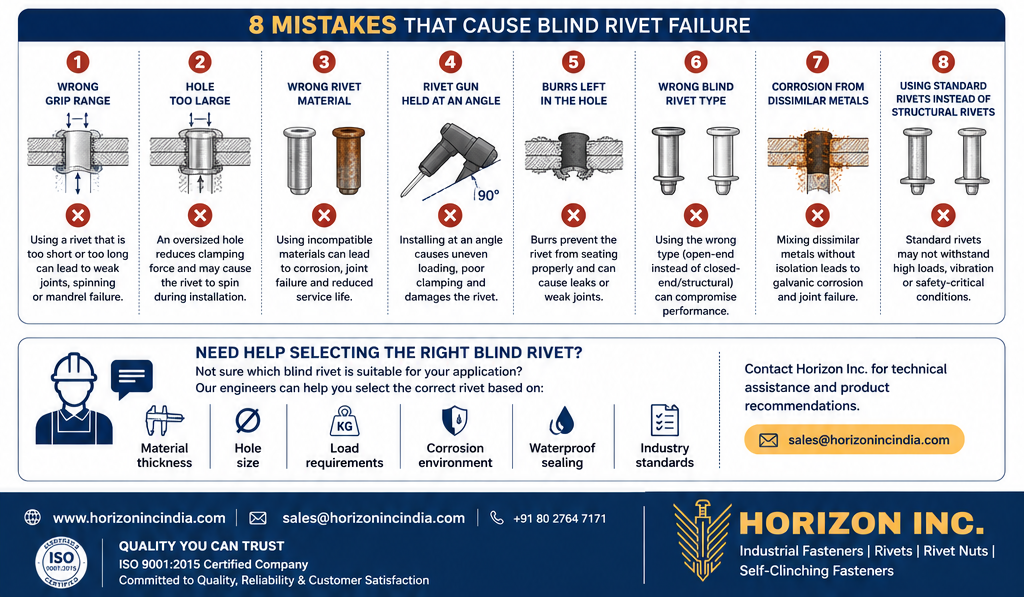
Installation Do’s and Don’ts
✔ Do
✅ Select the correct grip range for the total material thickness.
✅ Drill the correct hole diameter recommended for the rivet.
✅ Remove burrs after drilling to ensure proper seating.
✅ Hold the rivet gun perpendicular (90°) to the workpiece during installation.
✅ Match rivet material with the parent material wherever possible to minimise galvanic corrosion.
✅ Use structural blind rivets where high vibration or high load conditions exist.
✅ Inspect every installed rivet to ensure the mandrel has broken correctly.
✖ Don’t
❌ Don’t use a rivet that is too short for the material stack.
❌ Don’t install into oversized or elongated holes.
❌ Don’t reuse a blind rivet once it has been partially installed.
❌ Don’t use standard open-end rivets where waterproof sealing is required.
❌ Don’t mix incompatible metals in corrosive environments unless proper isolation is provided.
❌ Don’t install rivets using worn-out nosepieces or damaged riveting tools.
❌ Don’t substitute structural rivets with standard blind rivets in safety-critical assemblies.
Common Problems & Troubleshooting
| Problem | Possible Cause | Recommended Solution |
|---|---|---|
| Rivet spins during installation | Hole diameter too large or wrong grip range | Use correct hole size or a larger diameter rivet. Verify grip range. |
| Rivet remains loose after setting | Rivet too short or insufficient clamp thickness | Select the proper grip range based on total material thickness. |
| Mandrel does not break | Rivet gun pulling force too low or worn tool | Check tool condition and pulling capacity. Replace worn jaws if necessary. |
| Mandrel breaks too early | Incorrect rivet or defective installation tool | Verify rivet specification and inspect the riveting tool. |
| Rivet head pulls through sheet | Thin or soft material without adequate bearing area | Use a large flange or backup washer. |
| Joint leaks water | Open-end rivet used in sealed enclosure | Use a closed-end blind rivet with sealing requirements. |
| Sheet deforms around rivet | Excessive installation force or incorrect rivet type | Reduce installation force or select a rivet designed for thin materials. |
| Corrosion develops around rivet | Dissimilar metals causing galvanic corrosion | Match rivet and parent material or use appropriate isolation methods. |
Before You Select a Blind Rivet
A simple checklist like this adds practical value.
✓ Material thickness
✓ Hole diameter
✓ Required shear and tensile strength
✓ Material compatibility
✓ Corrosion resistance
✓ Head style
✓ Grip range
✓ Environmental sealing
✓ Vibration resistance
Frequently Asked Questions
What is a blind rivet?
A blind rivet is a permanent mechanical fastener that can be installed from one side of the workpiece. It consists of a rivet body and a mandrel, which is pulled during installation to form the blind-side head.
What materials are blind rivets available in?
Blind rivets are available in various material combinations, including aluminium-steel, aluminium-stainless steel, all-steel, stainless steel, copper, and specialty alloys, depending on the application requirements.
What is the difference between standard and structural blind rivets?
Standard blind rivets are intended for general-purpose fastening applications, whereas structural blind rivets provide significantly higher shear and tensile strength, improved vibration resistance, and enhanced joint reliability.
How do I select the correct blind rivet grip range?
The grip range should cover the total thickness of the materials being joined. Selecting the correct grip range ensures proper rivet formation and optimal joint performance.
Are blind rivets watertight?
Standard blind rivets are not fully watertight. For applications requiring improved sealing performance, closed-end blind rivets or rivets installed with appropriate sealing methods should be considered.