
Button Head Screws Technical Datasheets
This page serves as the central resource for Horizon Inc.’s Button Head Screw Technical Datasheets, covering the most widely used international standards, drive types, materials, and technical specifications. Select the appropriate standard below to access detailed dimensions, drawings, specifications, material options, and downloadable PDF datasheets.
Types of Button Head Screws
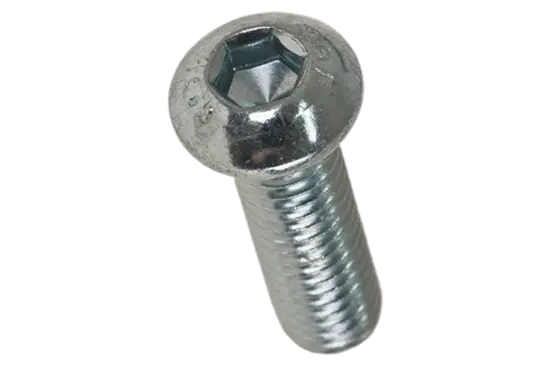
Hex Socket Button Head Screw
ISO 7380-1
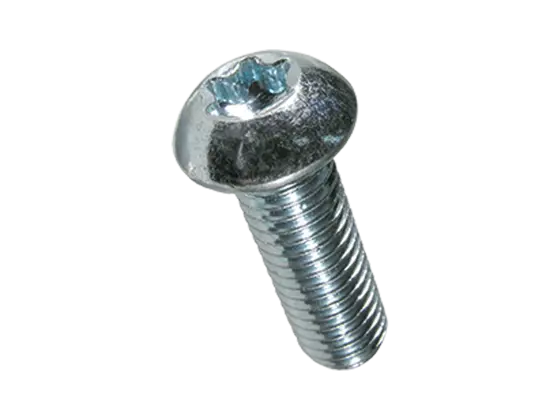
Hexalobular Button Head Screw
ISO 7380-1
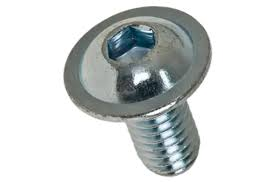
Hex Socket Flange Button Head Screw – ISO 7380-2
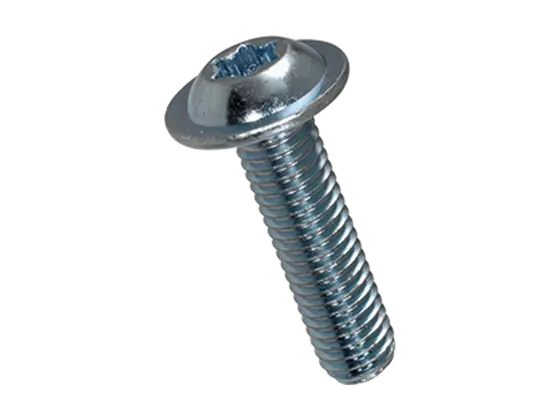
Hexalobular Flange Button Head
Screw – ISO 7380-2
Button Head Screws for Industrial, Automotive & Electronics Applications
Button head screws are machine screws featuring a low-profile, rounded head that provides an attractive appearance while reducing the risk of snagging. They are widely used where aesthetics, limited installation height, and smooth external surfaces are important.
Horizon Inc supplies a comprehensive range of button head screws in stainless steel, alloy steel, and other engineering materials, conforming to international DIN and ISO standards. Whether you require internal hex button head screws, Torx button head screws, or tamper-resistant button head screws, we can source and supply them in a wide variety of sizes and materials.
Button Head Screw Standards
| Standard | Drive Type | Head Style | Typical Applications |
|---|---|---|---|
| ISO 7380-1 | Internal Hex | Standard Button Head | Machinery, Automation, Electronics |
| ISO 7380-1 | Hexalobular (Torx) | Standard Button Head | Machinery, Automation, Electronics |
| ISO 7380-2 | Internal Hex with Flange | Flanged Button Head | Sheet Metal, Automotive |
| ISO 14586 | Torx Pin (Tamper Resistant) | Button Head | Public Infrastructure, Security Equipment |
| DIN 967 | Phillips | Raised Pan/Button with Flange | Sheet Metal, Electrical Panels |
Why Choose Button Head Screws?
- Low-profile head design
- Smooth rounded appearance
- Reduced snagging risk
- Good clamping performance
- Suitable where countersinking is not possible
- Larger bearing surface than socket head cap screws
- Available with Hex, Torx and Security drives
- Ideal for decorative and exposed assemblies
Comparison of Button Head Screw Types
| Feature | Hex Button Head | Torx Button Head | Security Button Head |
|---|---|---|---|
| Drive | Allen Hex | Torx | Torx Pin |
| Torque Capacity | High | Very High | High |
| Cam-Out Resistance | Good | Excellent | Excellent |
| Tamper Resistance | No | No | Yes |
| Ease of Assembly | Excellent | Excellent | Requires Special Bit |
Material Options
| Material | Corrosion Resistance | Strength | Typical Industry |
|---|---|---|---|
| Stainless Steel A2-70 (304) | Excellent | Medium | General Industrial |
| Stainless Steel A4-70 / A4-80 (316) | Superior | Medium | Marine & Chemical |
| Alloy Steel Grade 10.9 | Moderate | High | Automotive & Machinery |
| Alloy Steel Grade 12.9 | Moderate | Very High | Heavy Engineering |
| Titanium | Outstanding | High | Aerospace & Medical |
Surface Finishes
- Plain
- Black Oxide
- Zinc Plated
- Yellow Zinc
- Zinc Nickel
- Mechanical Galvanized
- Passivated Stainless Steel
Common Property Classes
Carbon Steel
- Class 4.8
- Class 5.8
- Class 8.8
- Class 10.9
- Class 12.9
Stainless Steel
- A2-50
- A2-70
- A2-80
- A4-70
- A4-80
Installation Best Practices: Dos & Don’ts
| ✅ Do | ❌ Don’t |
|---|---|
| Use the correct size Allen key or Torx bit to ensure proper engagement. | Do not use worn or damaged tools, as they can strip the drive recess. |
| Ensure mating threads are clean and free from dirt, burrs, or debris before installation. | Do not force a screw into damaged or cross-threaded holes. |
| Tighten screws using the recommended tightening torque for the material and size. | Do not exceed the recommended torque, as this may damage the screw or threads. |
| Use calibrated torque tools for critical engineering applications. | Avoid tightening by feel where precise preload is required. |
| Verify that the screw length provides adequate thread engagement. | Do not use screws that are too short to achieve proper holding strength. |
| Select the correct material grade and corrosion-resistant finish for the operating environment. | Do not mix incompatible materials that may cause galvanic corrosion without proper consideration. |
| Use flat washers where load distribution or protection of the mating surface is required. | Do not install button head screws on soft materials without adequate load distribution if specified by the design. |
| Inspect the drive recess before installation to ensure it is free from paint, debris, or contamination. | Do not continue tightening if the drive recess begins to round off. Replace the screw if damaged. |
| For stainless steel fasteners, use a suitable anti-seize compound when recommended to reduce the risk of thread galling. | Do not install stainless steel screws at high speed without lubrication, as galling may occur. |
| Replace damaged or deformed fasteners during maintenance. | Do not reuse screws that have been overstressed, corroded, or mechanically damaged. |
Common Installation Problems & Solutions
| Common Problem | Possible Cause | Recommended Solution |
|---|---|---|
| Drive recess strips during tightening | Incorrect or worn driver bit, excessive torque | Use the correct size Hex or Torx driver and tighten to the recommended torque using a calibrated tool. |
| Screw cross-threads during installation | Misaligned components or damaged internal threads | Realign the parts, start threading by hand, and replace damaged threads if necessary. |
| Screw loosens during service | Insufficient preload, vibration, or thermal cycling | Tighten to the specified torque and use a suitable thread-locking compound or locking washer where required. |
| Stainless steel threads seize (galling) | High friction, dry installation, or high-speed assembly | Apply an anti-seize lubricant, reduce installation speed, and avoid over-tightening. |
| Screw head breaks during tightening | Excessive tightening torque or incorrect strength grade | Replace with the correct grade and tighten only to the specified torque. |
| Screw cannot be fully tightened | Screw length is incorrect or hole depth is insufficient | Verify the screw length, thread depth, and hole dimensions before installation. |
| Button head contacts surrounding components | Incorrect screw selection or insufficient clearance | Select a lower-profile fastener or modify the design to provide adequate clearance. |
| Corrosion appears after installation | Incorrect material or unsuitable surface finish | Select a corrosion-resistant material such as A2 or A4 stainless steel, or specify an appropriate protective coating. |
| Fastener vibrates loose in dynamic applications | Continuous vibration or impact loading | Use prevailing torque nuts, thread-locking adhesive, or other mechanical locking methods as recommended. |
| Uneven clamping across multiple screws | Incorrect tightening sequence | Follow a cross-pattern or manufacturer-recommended tightening sequence and use consistent torque values. |
| Drive bit slips out during tightening | Incorrect drive size or poor engagement | Ensure the driver bit is fully seated and matches the screw drive profile exactly. |
| Mating material becomes damaged | Excessive bearing pressure on soft materials | Use flat washers or flanged button head screws to distribute the load over a larger area. |
Applications
- Electronics Manufacturing
- Electrical Control Panels
- Telecom Equipment
- Data Centres
- Automotive
- EV Chargers
- Renewable Energy
- Medical Devices
- Aerospace
- Defence Equipment
- Industrial Machinery
- Robotics
- Sheet Metal Fabrication
Related Datasheets
- DIN 7985 Phillips Pan Head Screws
- DIN 7985 Pozidriv Pan Head Screws
- DIN 85 Slotted Pan Head Screws
- ISO 14583 Torx Pan Head Screws
- Machine Screws
- SEMS Screws
- Thread Forming Screws
- Captive Panel Screws
Frequently Asked Questions
What is a pan head screw?
A pan head screw has a slightly rounded top with a flat bearing surface underneath, making it suitable where the head remains above the material.
What is the difference between a pan head and countersunk screw?
A pan head remains above the surface, whereas a countersunk screw sits flush within a countersunk hole.
Which drive type is strongest?
Torx generally provides the highest torque transmission and the lowest risk of cam-out, followed by Pozidriv, then Phillips.
Are pan head screws available in stainless steel?
Yes. Common grades include A2 (304) and A4 (316) stainless steel, with titanium also available for demanding environments.
Can pan head screws be used outdoors?
Yes. Stainless steel 304 is suitable for most outdoor applications, while stainless steel 316 is recommended for marine or highly corrosive environments.
Are pan head screws suitable for automated assembly?
Yes. Torx and Pozidriv drive systems are particularly well suited to automated manufacturing because they provide reliable tool engagement.