
Countersunk (CSK) Head Screws Technical Datasheets
This page serves as the central resource for Horizon Inc.’s Countersunk (CSK) Head Screw Technical Datasheets, covering the most widely used international standards, drive types, materials, and technical specifications. Select the appropriate standard below to access detailed dimensions, drawings, specifications, material options, and downloadable PDF datasheets.
Types of CSK Head Screws
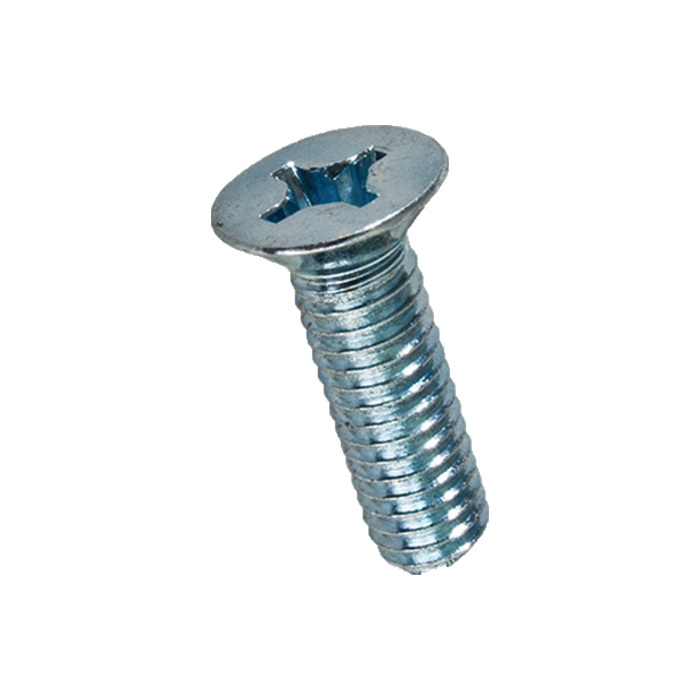
CSK Head Phillips Drive
DIN 965
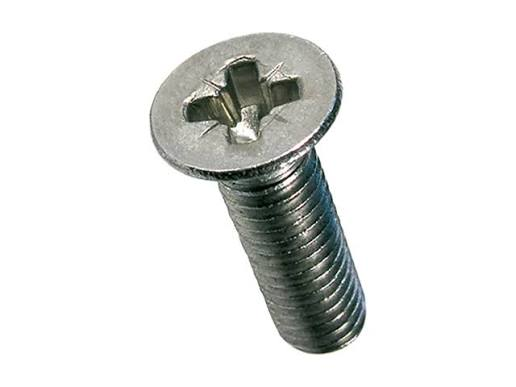
CSK Head Pozidriv
DIN 965
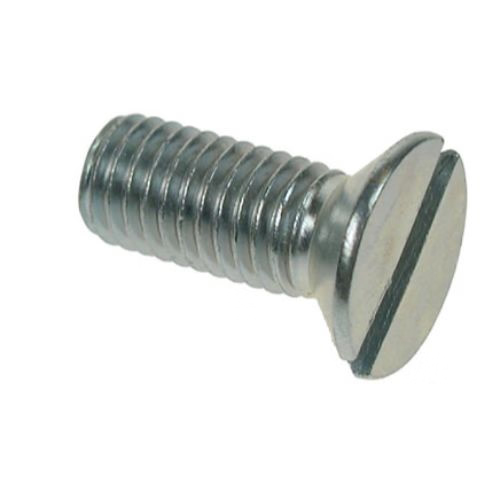
CSK Head Slotted Drive
DIN 963
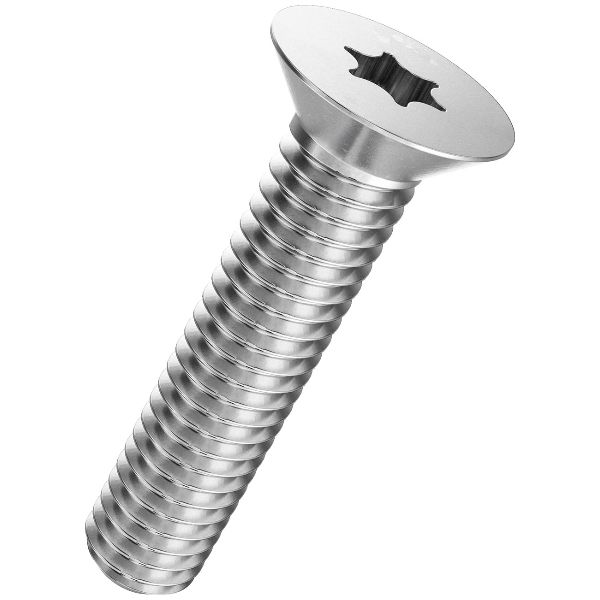
CSK Head Torx Drive
ISO 14581
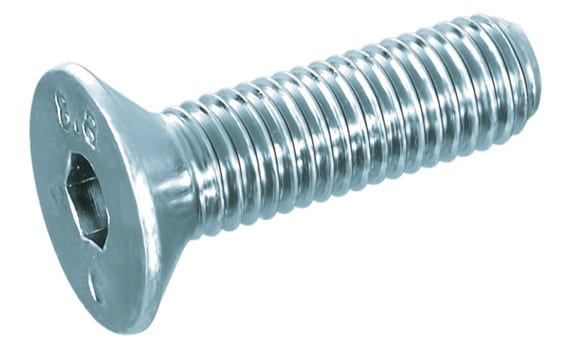
Hex Socket CSK Screw
DIN 7991 / ISO 10642
About CSK Head Screws
Countersunk (CSK) head machine screws are designed with a conical head that sits flush with the surface after installation, creating a smooth, obstruction-free finish. This makes them ideal for applications where protruding screw heads may interfere with moving parts, aesthetics, or operator safety.
Horizon Inc.’s Countersunk Head Machine Screw Technical Library provides comprehensive datasheets covering the most widely used DIN and ISO standards, including Phillips, Pozidriv, Slotted, Torx, and Hex Socket drive systems. Each datasheet includes CAD drawings, technical dimensions, material options, specifications, and downloadable PDF resources to assist engineers, designers, procurement professionals, and maintenance teams.
Material Options
| Material | Characteristics | Typical Applications |
|---|---|---|
| Carbon Steel | Economical with good mechanical strength | General industrial applications |
| Alloy Steel | Higher tensile strength for demanding assemblies | Machinery and equipment |
| Stainless Steel 304 (A2) | Excellent corrosion resistance | Food processing, electrical, outdoor use |
| Stainless Steel 316 (A4) | Superior resistance to chemicals and marine environments | Marine, offshore, chemical plants |
| Brass | Non-magnetic and corrosion resistant | Electrical terminals, decorative applications |
| Aluminium | Lightweight and corrosion resistant | Electronics, aerospace |
| Titanium | Exceptional strength-to-weight ratio and corrosion resistance | Aerospace, medical devices, motorsport, marine |
Quick Selection Guide
| If your application requires… | Recommended Standard |
|---|---|
| General industrial fastening | DIN 965 Phillips |
| Improved torque transmission | DIN 965 Pozidriv |
| Traditional or legacy equipment | DIN 963 Slotted |
| Automated assembly and high torque | ISO 14581 Torx |
| Maximum strength and precision engineering | DIN 7991 / ISO 10642 Socket |
Why Choose Countersunk Head Machine Screws?
Countersunk machine screws are selected when a flush surface finish is required after installation. Unlike pan head or button head screws, the conical head fits into a countersunk hole, allowing the head to sit level with the surrounding material.
Benefits include:
- Flush, snag-free installation
- Improved appearance
- Reduced interference with moving components
- Safer exposed surfaces
- Suitable for precision assemblies
- Available in multiple drive systems
- Excellent for manual and automated assembly
Material Options
| Material | Characteristics | Typical Applications |
|---|---|---|
| Carbon Steel | Economical with good mechanical strength | Industrial equipment |
| Alloy Steel | High tensile strength | Machinery and automation |
| Stainless Steel 304 (A2) | Excellent corrosion resistance | Food processing, electrical equipment |
| Stainless Steel 316 (A4) | Superior marine and chemical resistance | Marine, offshore, chemical plants |
| Brass | Corrosion resistant and decorative | Electrical and instrumentation |
| Aluminium | Lightweight | Aerospace and electronics |
| Titanium | Exceptional strength-to-weight ratio | Aerospace, medical devices, motorsport |
Available Surface Finishes
- Plain
- Zinc Plated (Blue/White)
- Yellow Zinc Plated
- Black Oxide
- Zinc Nickel
- Mechanical Galvanized
- Hot Dip Galvanized (selected standards)
- Geomet®
- Dacromet®
- PTFE Coated
- Stainless Steel Passivated
Common Property Classes
Carbon Steel
- Class 4.8
- Class 5.8
- Class 8.8
- Class 10.9
- Class 12.9
Stainless Steel
- A2-50
- A2-70
- A2-80
- A4-70
- A4-80
Installation Best Practices: Dos & Don’ts
✅ Do
- Ensure the countersink angle matches the screw head (typically 90° for metric machine screws).
- Use the correct driver or hex key for the selected drive system.
- Verify that the screw head seats fully within the countersunk hole.
- Tighten to the recommended torque.
- Match the screw material and finish to the operating environment.
- Inspect countersunk holes for burrs or damage before installation.
❌ Don’t
- Don’t install countersunk screws into flat-bottomed holes without a countersink.
- Don’t force the screw into an incorrectly sized countersink.
- Don’t overtighten, especially in aluminium or thin sheet metal.
- Don’t use Phillips drivers on Pozidriv screws or vice versa.
- Don’t reuse damaged screws with worn drive recesses.
- Don’t use countersunk screws where a larger bearing surface is required unless specifically designed for the application.
Common Installation Problems & Solutions
| Problem | Possible Cause | Recommended Solution |
|---|---|---|
| Screw head does not sit flush | Incorrect countersink angle or depth | Machine the correct 90° countersink and verify hole dimensions. |
| Cam-out during tightening | Incorrect driver or worn bit | Use the correct drive type and replace worn tools. |
| Damaged countersink | Excessive tightening torque | Tighten to the recommended torque and inspect the seating surface. |
| Screw loosens during service | Vibration or insufficient preload | Apply the correct tightening torque or use an appropriate thread-locking method. |
| Poor appearance after installation | Burrs or debris in countersunk hole | Deburr and clean the hole before assembly. |
Applications
- Electrical Panels
- Precision Engineering
- Sheet Metal Fabrication
- Machine Tools
- Furniture Manufacturing
- Medical Equipment
- Electronics
- Instrumentation
- Robotics
- Automation Equipment
- Automotive Components
- Telecommunications
- Renewable Energy Systems
Related Datasheets
- DIN 965 Phillips Countersunk Machine Screw
- DIN 965 Pozidriv Countersunk Machine Screw
- DIN 963 Slotted Countersunk Machine Screw
- ISO 14581 Torx Countersunk Machine Screw
- DIN 7991 / ISO 10642 Hex Socket Countersunk Screw
- Pan Head Machine Screws
- Button Head Machine Screws
- Cheese Head Machine Screws
- Machine Screws
Frequently Asked Questions
What is a countersunk (CSK) machine screw?
A countersunk machine screw has a conical head designed to sit flush with the surface when installed into a countersunk hole, providing a smooth finished appearance.
What is the difference between DIN 965 and DIN 7991?
DIN 965 screws use cross-recessed drives (Phillips or Pozidriv) and are commonly used for general engineering applications. DIN 7991 (equivalent to ISO 10642) uses an internal hex socket drive, allowing higher tightening torque and making it suitable for precision engineering and high-strength applications.
Which drive type is strongest?
Torx generally provides the highest torque transmission and the lowest risk of cam-out, followed by Pozidriv, then Phillips.
Why choose Torx or Hex Socket drives?
Torx and Hex Socket drives offer superior torque transmission, reduced tool slippage, and are well suited for automated assembly, precision equipment, and high-performance mechanical applications.
Are countersunk machine screws available in stainless steel?
Yes. They are commonly available in A2 (304) and A4 (316) stainless steel, along with carbon steel, alloy steel, brass, aluminium, and titanium.
What countersink angle is used for metric machine screws?
Most DIN and ISO metric countersunk machine screws use a 90° countersink angle, although specialised standards may differ.