
Self Clinching Fasteners Technical Datasheets
This technical datasheet library covers various types of self clinching fasteners including self clinching nuts, studs, standoffs, panel fasteners, flush fasteners, and captive hardware solutions. Browse the individual datasheets below to access detailed engineering information, drawings, technical specifications, and downloadable product documentation.
Table of Contents
View Datasheets

Self Clinching Nut
S, CLS – Type

Self Clinching Stud
FH, FHS – Type
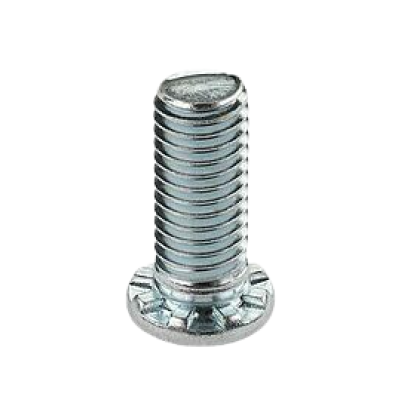
Heady Duty Clinch Stud
HFH, HFHS – Type

Through Standoff
SO, SOS, SO4 – Type
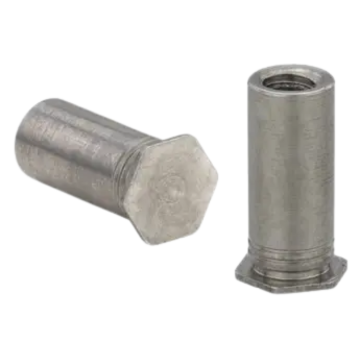
Blind Standoff
BSO, BSOS – Type
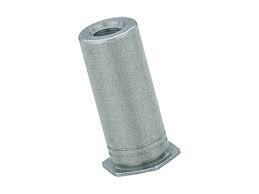
Thin Sheet Through Standoff
TSO – Type
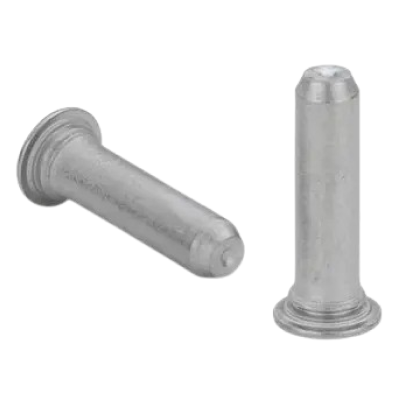
Locating Pins
TPS – Type
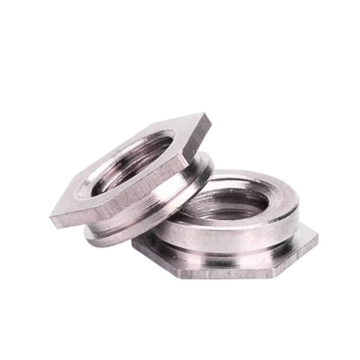
Flush Nuts
F , F4- Type
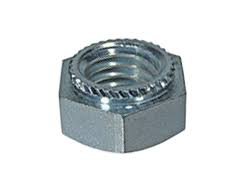
Hex Press Nut
Stainless Steel
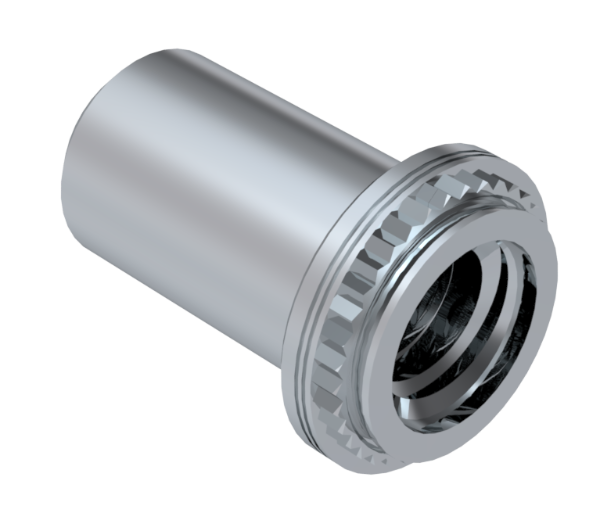
Blind Nut
B, BS – Type
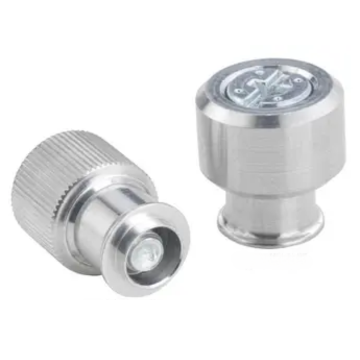
Panel Fastener
About Self Clinching Fasteners
Self clinching fasteners are permanent mechanical fastening solutions designed to provide strong, reusable threads and attachment points in thin sheet metal assemblies. Installed by applying controlled pressure, these fasteners become an integral part of the sheet metal, eliminating the need for welding, tapping, loose hardware, or secondary operations.
Self clinching fasteners are widely used across industries such as electrical control panels, enclosures, telecommunications equipment, data centers, electronics, automotive, aerospace, medical equipment, railways, renewable energy systems, and general sheet metal fabrication. They offer high pull-out resistance, excellent torque performance, improved assembly efficiency, and reduced manufacturing costs.
Self Clinching Fastener Installation – Do’s and Don’ts
Proper installation is essential to achieve the published performance values of self-clinching fasteners. Following the recommended installation practices ensures maximum torque-out resistance, pull-out strength, and long-term reliability.
Installation Do’s
✅ Use the correct mounting hole size
Ensure the punched or drilled hole matches the specified diameter for the selected fastener. Incorrect hole sizes can reduce retention strength or prevent proper installation.
✅ Install from the punch side of the sheet
Install the fastener into the punch side of the sheet to achieve optimum clinching performance.
✅ Align the fastener before applying force
Ensure the pilot or shank is fully positioned within the mounting hole before the installation force is applied.
✅ Apply force between parallel surfaces
Installation force should be applied using a press with parallel upper and lower tooling to ensure even compression and proper material flow.
✅ Apply sufficient installation force
Use enough force to fully embed the clinching ring into the sheet material and bring the shoulder firmly into contact with the sheet. For flush-type fasteners, installation is complete when the head is flush with the panel surface.
✅ Verify sheet material hardness
The sheet material must be softer than the self-clinching fastener. The installation process relies on the sheet material plastically deforming into the fastener’s undercut to create a permanent mechanical interlock.
Installation Don’ts
❌ Do not install 300 Series stainless steel fasteners into stainless steel sheets
300 Series stainless steel sheets are generally too hard for standard 300 Series stainless steel self-clinching fasteners. Select a suitable fastener designed for stainless steel applications.
❌ Do not install steel or stainless steel fasteners before anodizing aluminium panels
Install self-clinching fasteners after finishing processes whenever recommended to prevent cosmetic damage and maintain corrosion resistance.
❌ Do not deburr mounting holes before installation
Deburring removes material required for proper clinching and may significantly reduce pull-out and torque performance.
❌ Do not install fasteners closer to the sheet edge than the manufacturer’s minimum edge distance
Insufficient edge distance can cause sheet distortion, bulging, or reduced retention strength.
❌ Do not apply excessive installation force
Over-pressing may crush the fastener head, distort threads, or permanently deform the sheet material. Use the recommended installation force for each fastener type.
❌ Do not install using a hammer or impact tool
Self-clinching fasteners require controlled squeezing force. Impact installation will not allow the sheet material to flow correctly into the clinching features and can permanently damage both the fastener and the workpiece.
❌ Do not tighten a screw during installation
The installation press seats the fastener. Screws should only be tightened after installation from the opposite side during final assembly.
❌ Do not install on the pre-painted or coated side of the panel
Installing through painted, powder-coated, or plated surfaces may damage the coating and reduce the quality of the mechanical interlock.
❌ Do not use uncontrolled presses or uneven tooling
Improper tooling or misaligned presses can result in tilted fasteners, incomplete seating, thread damage, and inconsistent installation quality.
Best Practice
For optimum performance, always use the specified hole size, recommended installation force, and approved press tooling. Proper installation ensures the fastener develops its full published torque-out, push-out, and pull-out performance while maintaining the integrity of the sheet material.
Installation into Stainless Steel Sheets – Do’s & Don’ts
Installation Do’s
✅ Select the correct fastener material
Choose a fastener material that meets both the application requirements and the required level of corrosion resistance.
✅ Ensure the stainless steel sheet is in the annealed condition
Self-clinching fasteners are designed for installation into ductile stainless steel sheets. Excessively hardened material may prevent proper clinching.
✅ Use a sharp punch
Maintain a sharp hole punch to minimise work hardening around the mounting hole, ensuring adequate material flow during installation.
✅ Use the specified mounting hole diameter
Prepare the mounting hole to the recommended size for the selected fastener to achieve optimum retention.
✅ Maintain tight hole tolerances
The punched hole diameter should not exceed the recommended minimum mounting hole size by more than +0.025 mm (+0.001″).
✅ Position the fastener correctly
Ensure the pilot or shank is fully aligned within the mounting hole before applying installation force.
✅ Avoid cold-worked areas
Install fasteners away from bends, formed features, or other areas where the sheet has been work hardened.
✅ Apply force between parallel surfaces
Use properly aligned press tooling that applies uniform squeezing force across parallel surfaces.
✅ Use recommended installation tooling
Install fasteners using suitable arbor presses, hydraulic presses, or pneumatic presses with the correct tooling.
✅ Install from the punched side of the sheet
For best results, always install the fastener into the punch side of the mounting hole.
✅ Apply sufficient installation force
Apply enough force to completely embed the clinching ring around its full circumference and bring the shoulder firmly into contact with the sheet. For flush-style fasteners, installation is complete when the head is flush with the panel surface.
Installation Don’ts
❌ Do not use standard self-clinching fasteners in stainless steel sheets
Only fasteners specifically designed for stainless steel installation—such as SP, SMPP, A4, LA4, F4, SO4, BSO4, TSO4, FH4, FHP, SGPC, TP4, PFC4, and SFP or their equivalent products—should be installed in stainless steel sheets.
❌ Do not deburr the mounting hole before installation
Deburring removes material required for the clinching process and can significantly reduce fastener retention.
❌ Do not install too close to the sheet edge
Maintain the manufacturer’s recommended minimum edge distance to prevent edge bulging and loss of holding strength.
❌ Do not install near bends or heavily cold-worked areas
Cold-worked stainless steel may exceed the allowable hardness for proper clinching.
❌ Do not over-squeeze the fastener
Excessive installation force may crush the fastener head, distort threads, or permanently deform the sheet. Determine the optimum installation force through testing before production.
❌ Do not install with a hammer or impact tool
Self-clinching fasteners require controlled squeezing force. Hammer installation will not allow the sheet material to flow into the clinching features and may permanently damage both the fastener and the sheet.
❌ Do not tighten screws during installation
Install the fastener using a press only. During final assembly, screws should always be tightened from the opposite side so that the service load is directed toward the sheet. The clinching action is intended to retain the fastener and resist assembly torque—not to withstand installation by screw tightening.
Engineering Best Practice
For successful installation into stainless steel sheets, ensure the sheet material is in the annealed condition, use the recommended hole size and installation tooling, and select fasteners specifically designed for stainless steel applications (such as F4, FH4, SO4, TSO4 and equivalent types). Proper installation ensures the fastener achieves its published torque-out, push-out, and pull-out performance while maintaining the integrity of the sheet material.
Frequently Asked Questions
What are self clinching fasteners?
Self clinching fasteners are specially engineered components that are permanently installed into ductile sheet materials by applying pressure. Once installed, they provide strong internal or external threads and secure attachment points without requiring welding or tapping.
What materials can self clinching fasteners be installed into?
Self clinching fasteners are typically installed into ductile materials such as mild steel, stainless steel, aluminum, galvanized steel, and other sheet metals that have sufficient ductility for proper clinching.
What are the advantages of self clinching fasteners over welding?
Self clinching fasteners eliminate heat distortion, preserve protective coatings, provide consistent thread quality, reduce manufacturing operations, improve assembly speed, and offer excellent pull-out and torque resistance.
What industries use self clinching fasteners?
Self clinching fasteners are extensively used in electrical enclosures, control panels, telecommunications equipment, data centers, electronics, automotive components, medical equipment, railway systems, renewable energy equipment, and general sheet metal fabrication.
How do I select the correct self clinching fastener?
Selection depends on factors such as sheet material, sheet thickness, required thread size, load requirements, installation method, corrosion resistance, and available installation space. The technical datasheets provide the dimensional and performance data required for proper selection.