
ISO 13918 Weld Studs – Technical Datasheets
IArc weld studs are fasteners designed to be permanently joined to metal substrates using the arc stud welding process. Unlike conventional mechanical fasteners, weld studs eliminate the need for drilled holes, tapped threads, or access to the reverse side of the workpiece, providing a strong, vibration-resistant attachment in a single welding operation.
Manufactured in accordance with ISO 13918, arc weld studs are widely used across structural steel fabrication, industrial machinery, electrical enclosures, process equipment, shipbuilding, railway engineering, and heavy manufacturing.
Horizon Inc supplies a comprehensive range of ISO 13918 arc weld studs, including externally threaded, internally threaded, and other specialized stud designs for drawn arc stud welding applications.
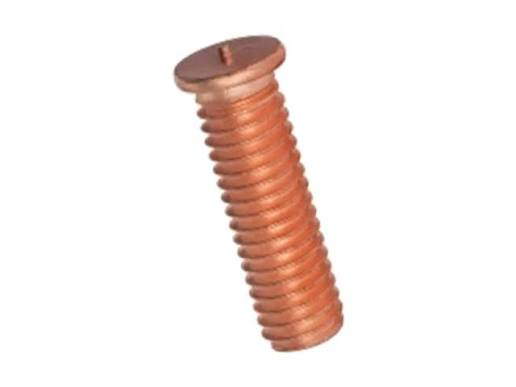
Threaded Weld Stud
ISO 13918 PT

Weld Stud Internal Thread
ISO 13918 IT
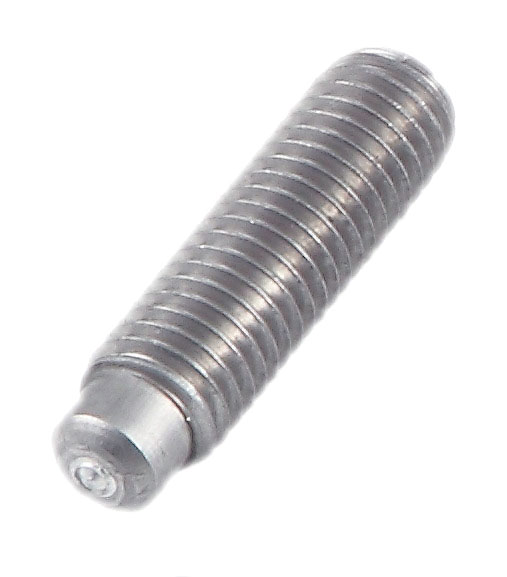
Threaded Stud
Reduced Shaft – ISO 13918 RD
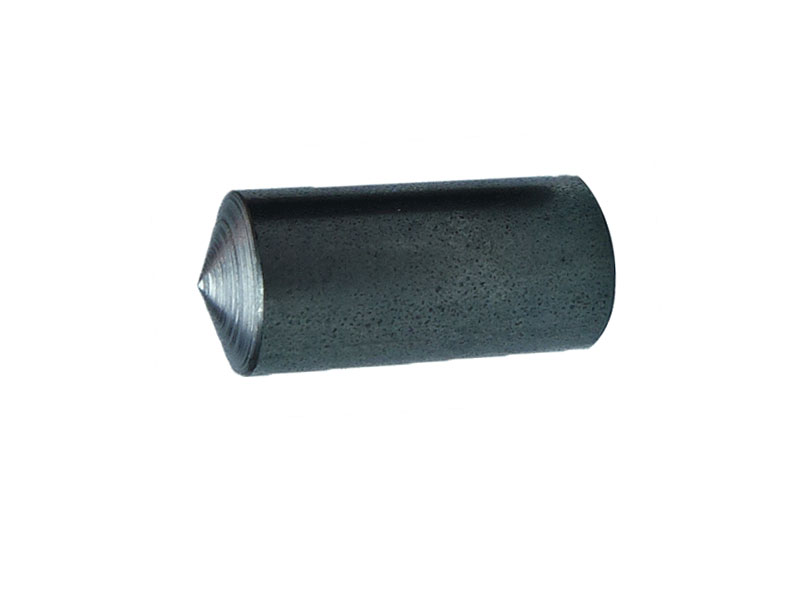
Unthreaded Stud
ISO 13918 UD
What is Arc Stud Welding?
Arc stud welding is a one-step fastening process in which an electric arc melts both the stud base and the parent material. The stud is then forged into the molten weld pool, creating a full-strength metallurgical bond within milliseconds.
Key Benefits
- No drilled holes required
- Single-sided installation
- High production speed
- Permanent attachment
- Excellent vibration resistance
- Minimal distortion
- Suitable for automation
- Repeatable weld quality
Typical Applications
Arc weld studs are widely used in:
- Industrial machinery
- Electrical control panels
- Sheet metal fabrication
- HVAC equipment
- Automotive manufacturing
- Railway equipment
- Shipbuilding
- Process plants
- Heavy engineering
- Material handling systems
- Power generation
- Modular construction
Materials Available
| Material | Typical Applications |
|---|---|
| Low Carbon Steel | General fabrication and structural applications |
| Stainless Steel A2 (304) | Food processing, architectural and indoor environments |
| Stainless Steel A4 (316) | Marine, offshore and chemical industries |
| Heat Resistant Alloys | High-temperature applications |
| Special Materials | Available on request |
Choosing the Right Arc Weld Stud
| Requirement | Recommended Stud |
|---|---|
| External threaded fixing | ISO 13918 PT |
| Internal threaded mounting point | ISO 13918 IT |
| Reduced diameter application | ISO 13918 RD |
| Plain weld stud | ISO 13918 UD |
Advantages of Arc Weld Studs
- Permanent mechanical fastening
- Eliminates drilling and tapping operations
- Fast installation with stud welding equipment
- Strong metallurgical bond
- Excellent fatigue and vibration resistance
- Suitable for automated production
- Reduces fabrication time
- Clean, professional appearance
- Suitable for thin and thick steel sections
- Compatible with high-volume manufacturing
Installation Best Practices
Do
- Clean the base material thoroughly before welding.
- Use the correct welding current and weld time for the stud diameter.
- Ensure proper grounding.
- Use appropriate ceramic ferrules where required.
- Perform visual inspection and bend testing when specified.
Don’t
- Weld onto painted, oily or heavily rusted surfaces.
- Reuse damaged ceramic ferrules.
- Use bent or damaged studs.
- Operate with incorrect welding parameters.
- Ignore weld quality verification.
Common Welding Problems & Solutions
| Problem | Likely Cause | Solution |
|---|---|---|
| Weak weld | Insufficient welding current | Increase current as recommended |
| Porosity | Surface contamination | Clean the workpiece before welding |
| Misaligned stud | Improper gun positioning | Hold the welding gun perpendicular |
| Excessive spatter | Incorrect welding parameters | Verify current, lift and plunge settings |
| Incomplete fusion | Poor grounding or insufficient energy | Improve grounding and adjust welding settings |
Frequently Asked Questions
What is ISO 13918?
ISO 13918 is the international standard specifying the dimensions and requirements for studs and ceramic ferrules used in arc stud welding.
What is the difference between SD, PT and IT studs?
SD are headed shear connectors used in composite construction.
PT are externally threaded weld studs for attaching components with nuts.
IT are internally threaded weld studs that accept bolts after welding.
What are arc weld studs?
Arc weld studs are fasteners that are permanently attached to a metal surface using the arc stud welding process, creating a high-strength metallurgical bond without the need for drilled holes or access to the reverse side.
Can stainless steel weld studs be supplied?
Yes. Stainless steel grades such as A2 (304) and A4 (316) are available for applications requiring corrosion resistance.
Can arc weld studs be used on thin sheet metal?
Yes, provided the base material thickness and welding process are suitable for the stud size. The appropriate welding parameters should always be followed.
Related Links
Why Quality Shear Studs Matter: Precision, Performance, and Profitability
What Are Shear Studs? Benefits, Applications and Selection Guide for Composite Steel-Concrete Construction
Shear Studs in PEB and Structural Fabrication: Applications, Benefits, and Selection Guide
What Are Drawn Arc Weld Studs and Why Are They Used in Transformer Manufacturing?