
Machine Screws Technical Datasheets
Machine screws are precision threaded fasteners designed to mate with tapped holes or nuts for secure, repeatable assemblies. They are widely used in electronics, electrical panels, machinery, automotive components, furniture, medical equipment and general engineering applications where accurate threads and controlled tightening are required.
At Horizon Inc., we provide technical datasheets covering dimensional standards, material options, mechanical properties and application guidance for a wide range of metric machine screws manufactured to DIN, ISO and international standards. Each datasheet includes engineering drawings, technical specifications, downloadable PDFs and related fastening solutions.
Table of Contents
Machine Screw Head Styles

Pan Head
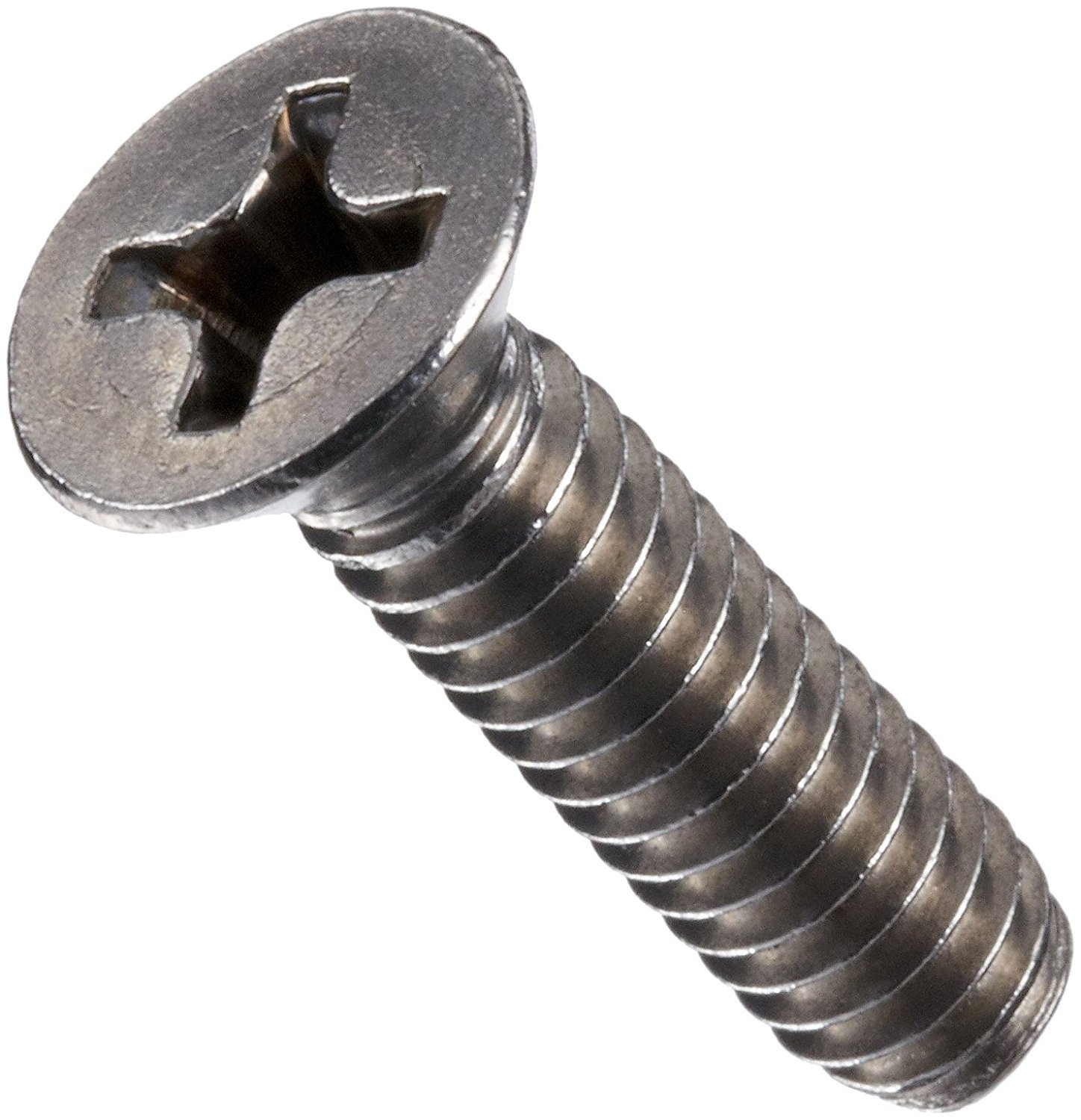
Countersunk (CSK) Head
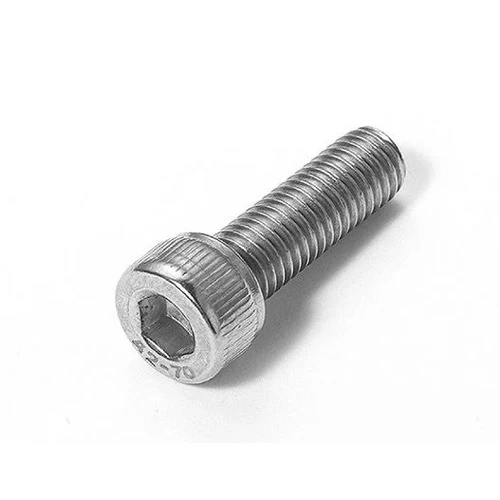
Socket Head Cap Screw
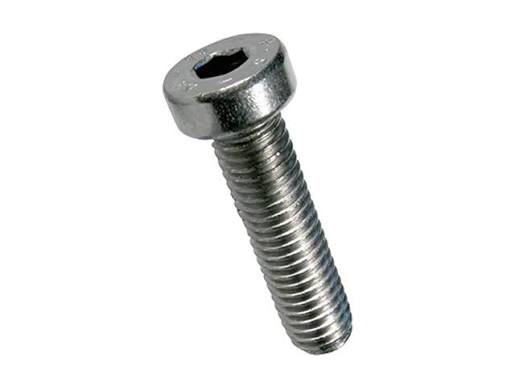
Low Profile Socket Screws
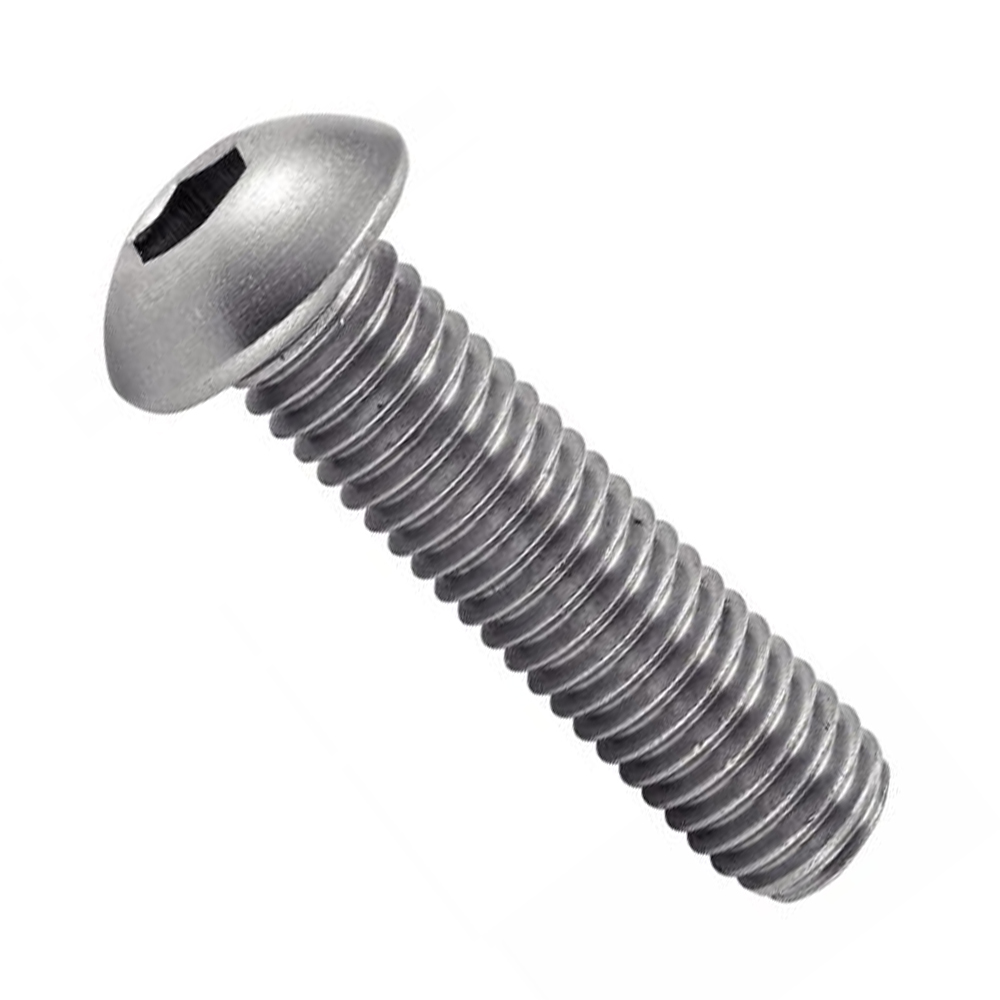
Button Head
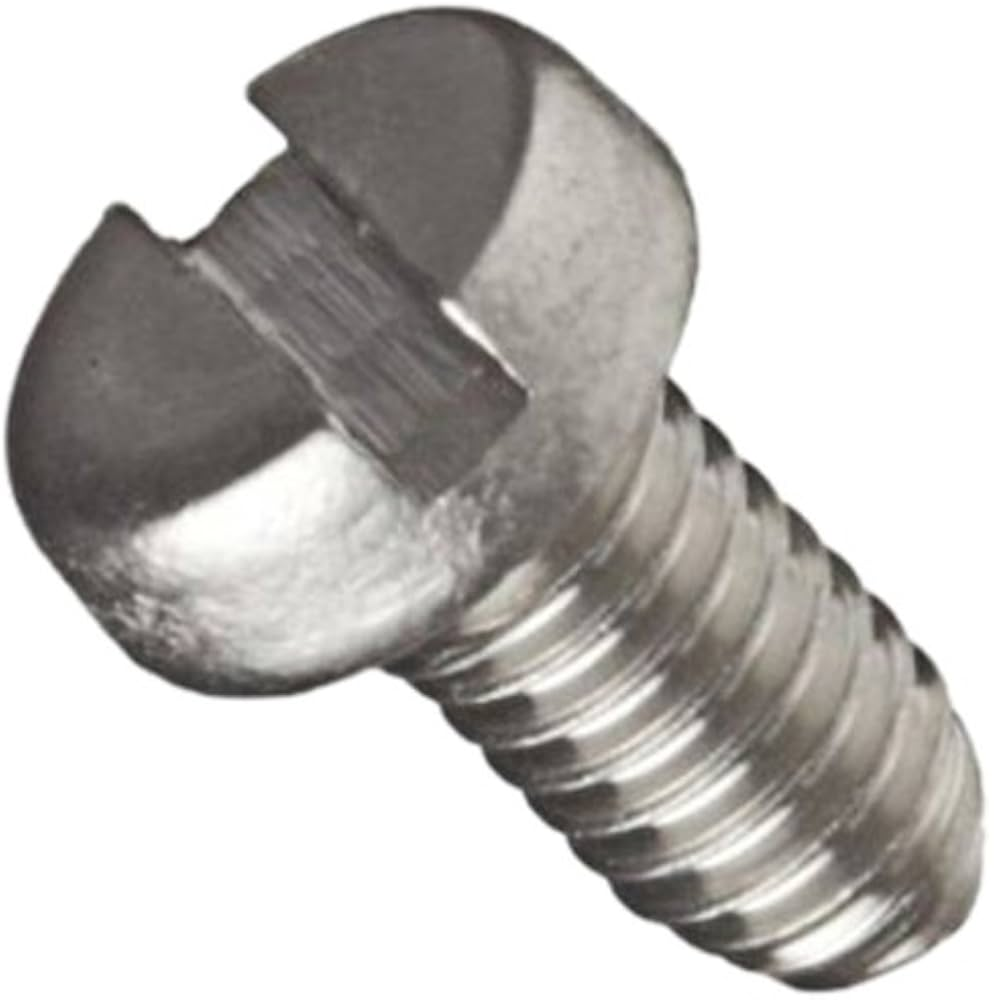
Cheese Head
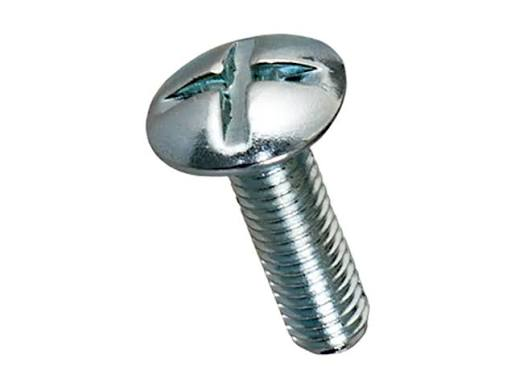
Truss Head Screws
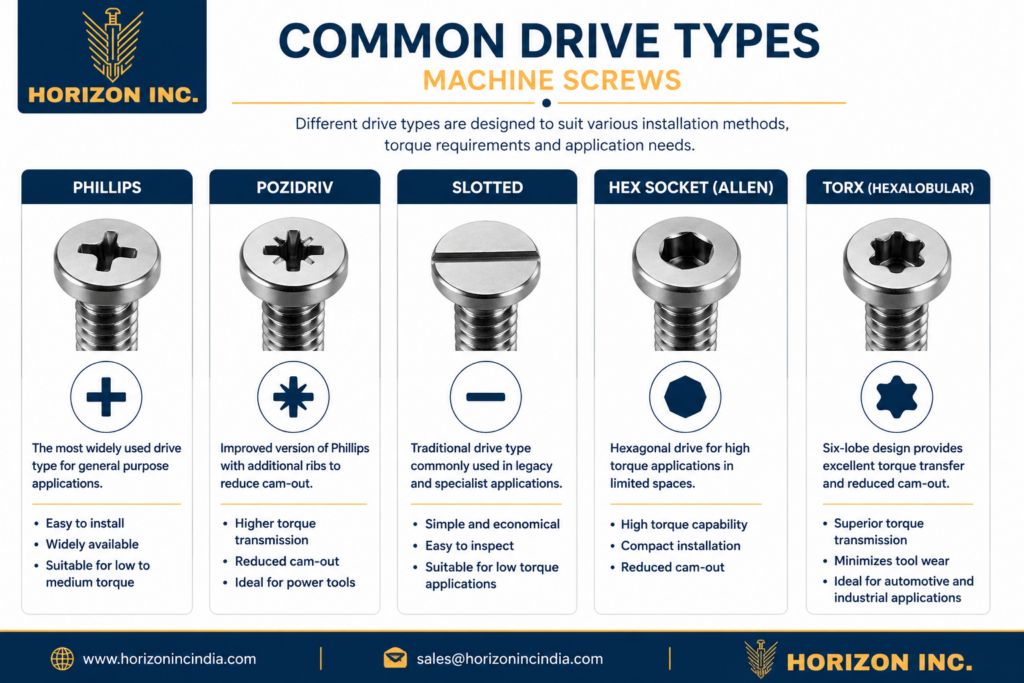
Common Drive Types
Machine screws are available with several drive systems depending on installation requirements.
| Drive Type | Typical Advantages |
|---|---|
| Phillips | Widely available, suitable for general-purpose assembly |
| Pozidriv | Higher torque transmission with reduced cam-out |
| Slotted | Traditional drive for legacy equipment and electrical applications |
| Hex Socket (Allen) | High torque capability and compact installation |
| Torx (Hexalobular) | Excellent torque transfer with minimal cam-out, widely used in automotive and industrial equipment |
Materials Available
| Material | Typical Applications |
|---|---|
| Carbon Steel | General industrial assemblies |
| Alloy Steel | High-strength mechanical applications |
| Stainless Steel 304 (A2) | Indoor corrosion-resistant environments |
| Stainless Steel 316 (A4) | Marine, chemical and outdoor applications |
| Brass | Electrical and decorative applications |
| Titanium | Aerospace, medical and lightweight engineering applications |
Surface Finishes
Depending on the application and environmental conditions, machine screws are available with various protective finishes.
| Finish | Typical Use |
|---|---|
| Plain | Uncoated base material |
| Zinc Plated (White Zinc) | General indoor corrosion protection |
| Yellow Zinc | Enhanced corrosion resistance |
| Black Oxide | Low-reflective finish for machinery and tooling |
| Geomet® | High-performance corrosion protection |
| Dacromet® | Automotive and outdoor applications |
| Passivated Stainless Steel | Improved corrosion resistance |
Advantages of Machine Screws
- Manufactured to internationally recognized DIN and ISO standards.
- Precision machine threads ensure consistent fit and repeatable assembly.
- Available in a wide range of head styles for different installation requirements.
- Multiple drive systems to suit manual and automated assembly.
- Suitable for repeated installation and maintenance without damaging mating threads.
- Available in carbon steel, alloy steel, stainless steel, brass, and titanium.
- Compatible with tapped holes, threaded inserts, and standard metric nuts.
- Suitable for both manual assembly and automated production lines.
Typical Applications
Machine screws are widely used across numerous industries, including:
- Electrical control panels
- Electronics and PCB assemblies
- Industrial machinery
- Automotive components
- Medical devices
- Telecommunications equipment
- Data centre infrastructure
- HVAC equipment
- Robotics and automation
- Furniture and architectural hardware
- Renewable energy systems
- General engineering and manufacturing
Frequently Asked Questions
What is the difference between a machine screw and a self-tapping screw?
Machine screws require a pre-threaded hole or nut, while self-tapping screws form their own mating threads during installation.
What standards are machine screws manufactured to?
Machine screws are commonly manufactured to DIN and ISO standards, with specific standards depending on the head style and drive system.
Which head style should I choose?
Pan heads are suitable for general-purpose assemblies, countersunk heads provide a flush finish, socket heads allow higher tightening torque, while button heads offer a lower-profile appearance with a larger bearing surface.
What is the difference between Phillips and Pozidriv?
Pozidriv drives provide improved torque transmission and reduced cam-out compared to conventional Phillips drives, making them suitable for higher torque applications.
Are machine screws available in stainless steel?
Yes. Machine screws are commonly available in Stainless Steel 304 (A2) and Stainless Steel 316 (A4) for corrosion-resistant applications.
Can machine screws be reused?
Yes. When used with properly tapped holes or nuts and installed within the recommended tightening torque, machine screws can typically be removed and reinstalled multiple times without damaging the mating threads.
Related Knowledge Centre Articles
- Fastener Nomenclature
- ISO Metric Thread System
- DIN & ISO Fastener Standards
- Screw Drive Types Explained
- Bolt & Screw Head Styles
- Fastener Materials Guide
- Corrosion Protection & Surface Finishes